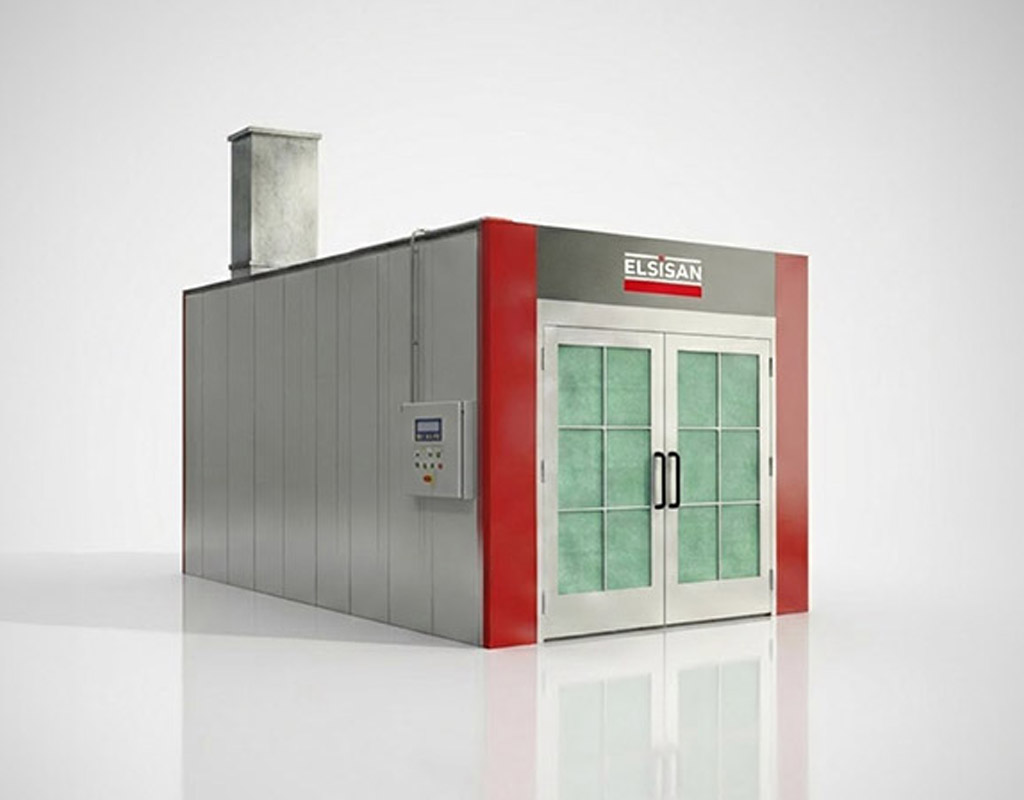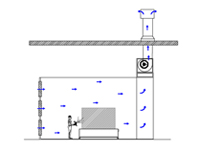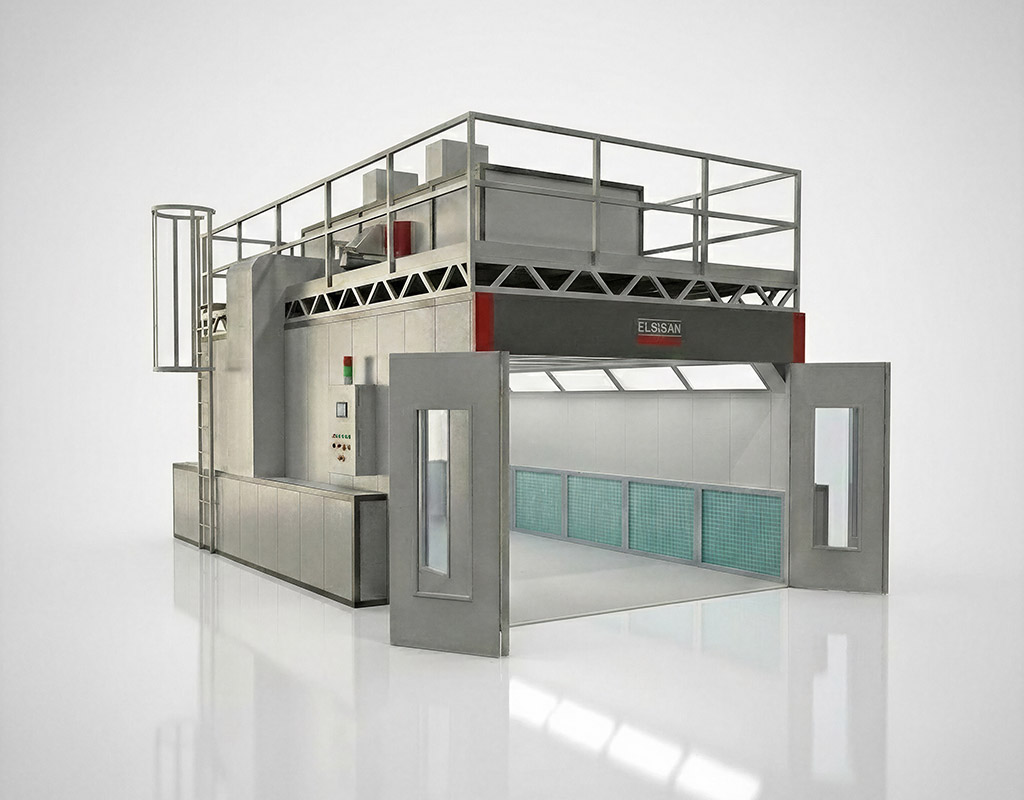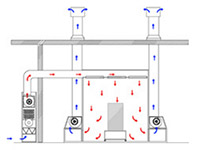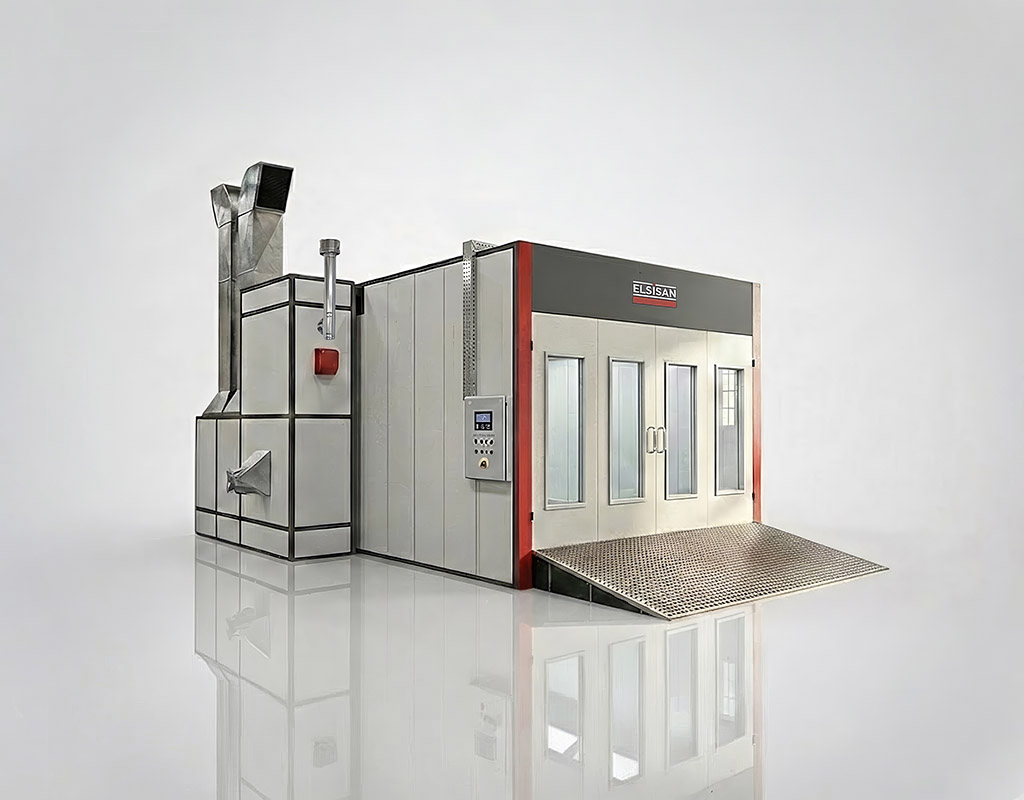
Industrial Batch Ovens: Options and What You Need to Know

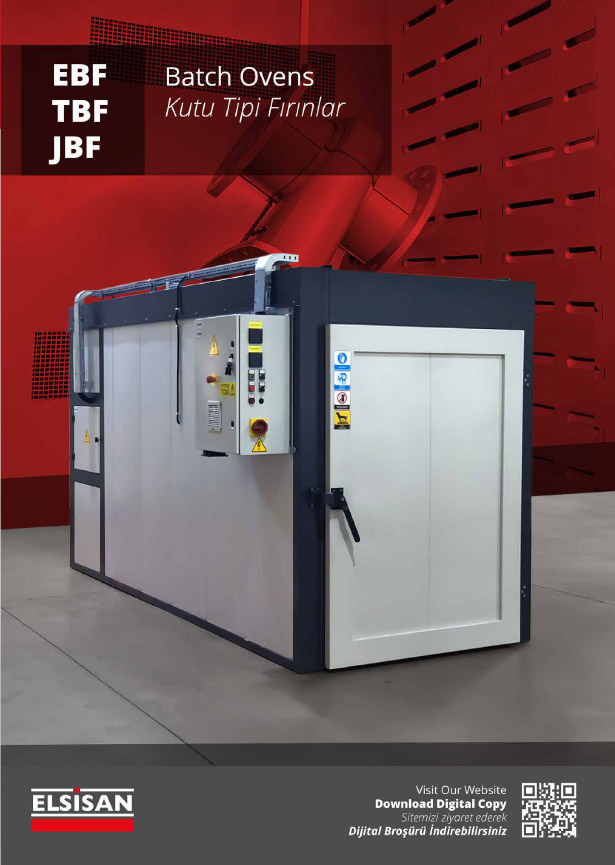
Batch ovens are industrial ovens designed for processing materials or products at a specified temperature for a set period. They are used for various processes such as baking, drying, curing, or heat treatment by bringing the product to a specific temperature. These ovens, designed based on factors such as product size, process requirements, and production volume, play a critical role in industrial production processes.

Application Areas:

Batch ovens have a wide range of applications in industrial production processes. General application areas are listed in processes;

Drying applications used in batch ovens, remove moisture from materials before processing and prepare their surfaces. This ensures more solid and high-quality results in subsequent processes. For products with high moisture content, higher-powered exhaust systems are used for quick moisture removal.

Curing application in batch ovens, the solvent vapors on painted surfaces evaporate with hot air, solidifying to form a film. In powder coating processes, these ovens cure powder coating materials, providing a durable coating through precise temperature and time control.

Heat Treatment application in batch ovens used in metallurgy and metal processing industries to alter the physical or mechanical properties of materials. Processes such as annealing, tempering, and stress relief can be applied.

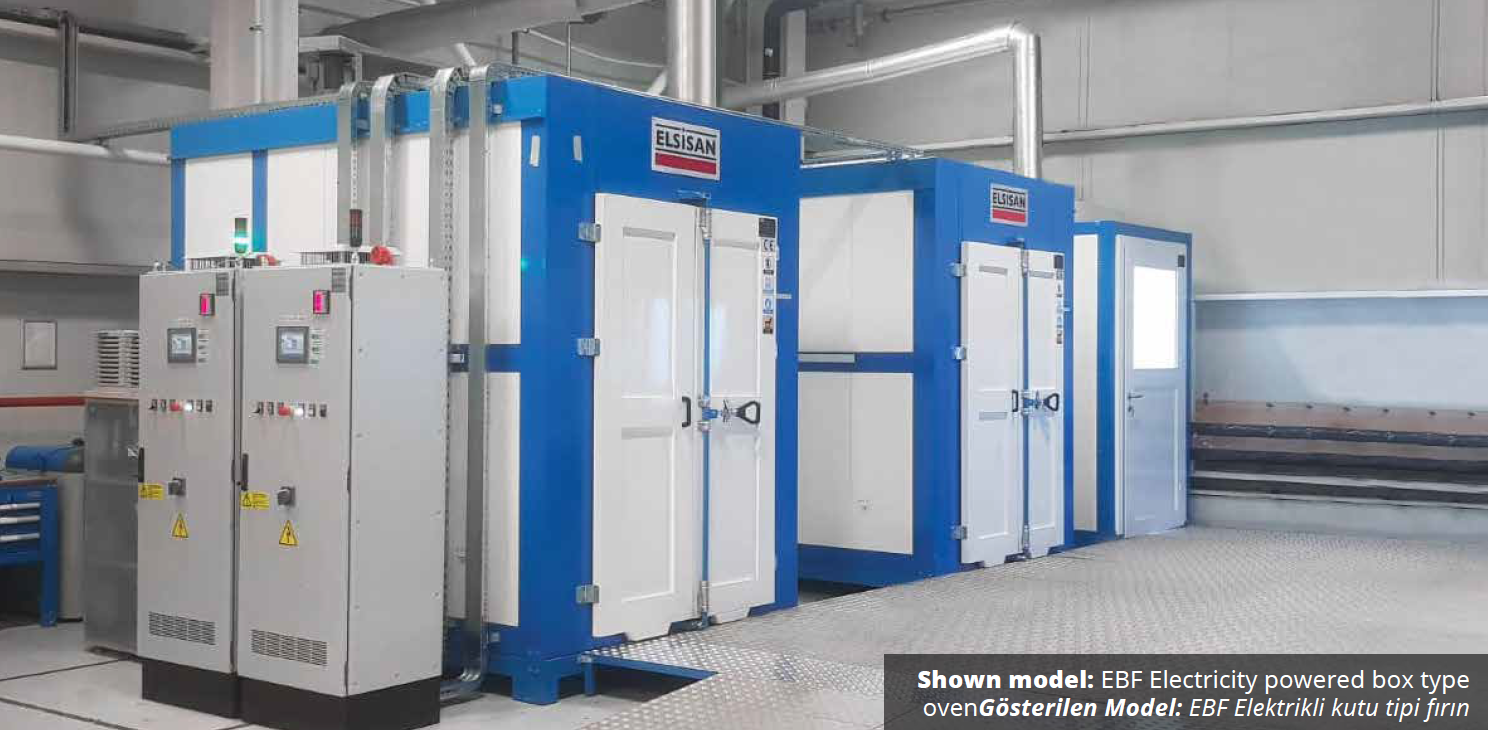
Box ovens with various applications play a significant role in enhancing quality, durability, and efficiency in industrial production processes. As Elsisan, our box ovens are designed to reach operational capabilities of up to 250°C.

Sections of Box-Type Ovens:

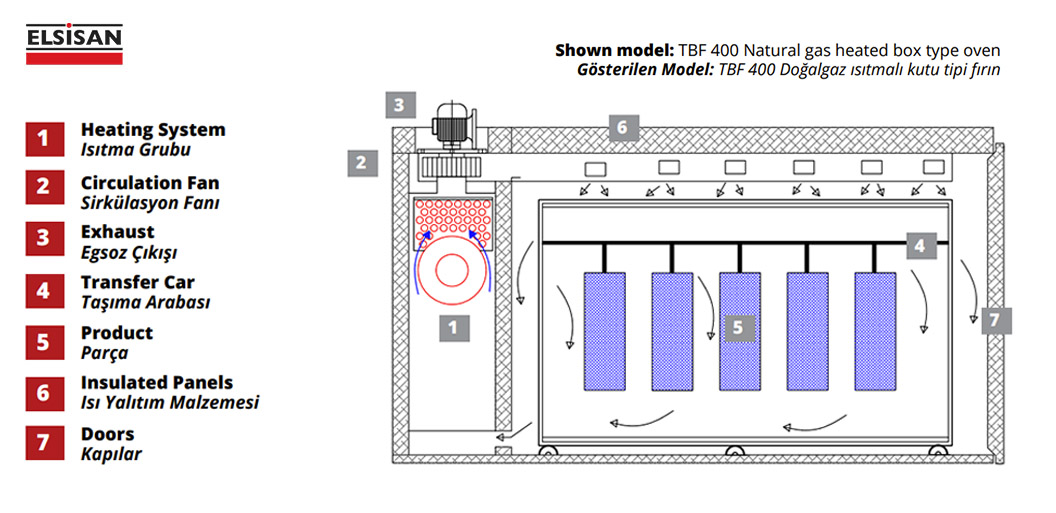
Below, the features and components of batch ovens are shown as illustrated in Figure 1.

1. Heating System

2. Circulation Fan 

3. Exhaust

3. Transfer Car   


5. Product 

6. Insulated Panels


7. Doors


TBF 400 Doğalgaz ısıtmalı kutu tipi fırın

Features:

Adjustable Channels:

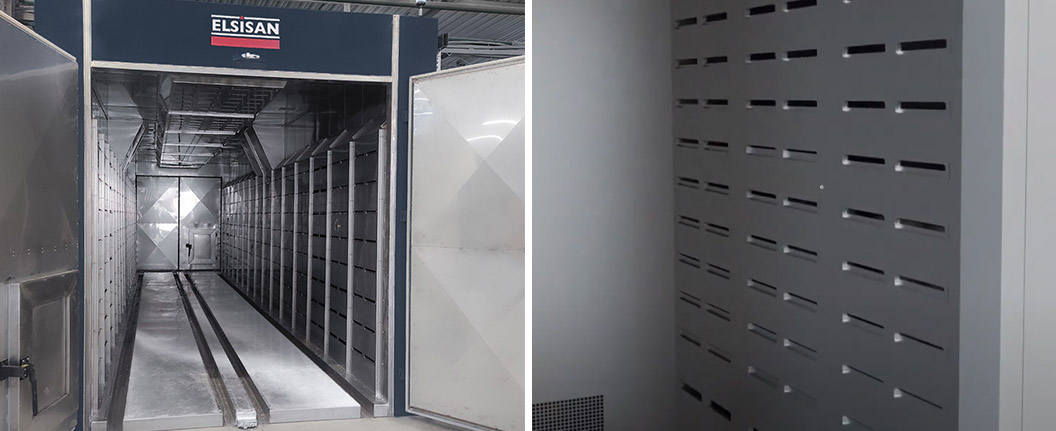
Adjustable air channels ensure even heat distribution throughout the oven.

Industrial batch ovens - adjustable air vents


Insulated Panels:

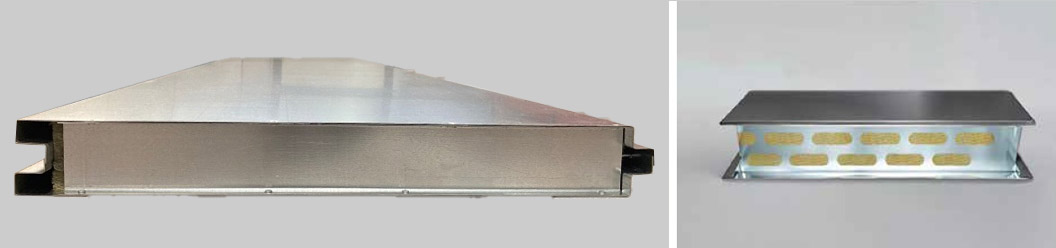
In batch ovens, insulated panels reduce heat loss and maintain temperature values, enhancing thermal efficiency. Insulation material is placed between galvanized steel sheets, with rock wool used as standard. The thickness of the insulation material varies depending on the desired maximum temperature. Panels are coated with powder paint in the desired color and assembled in a sandwich panel format.
Industrial batch ovens - Thermally insulated panels


Control Panel:

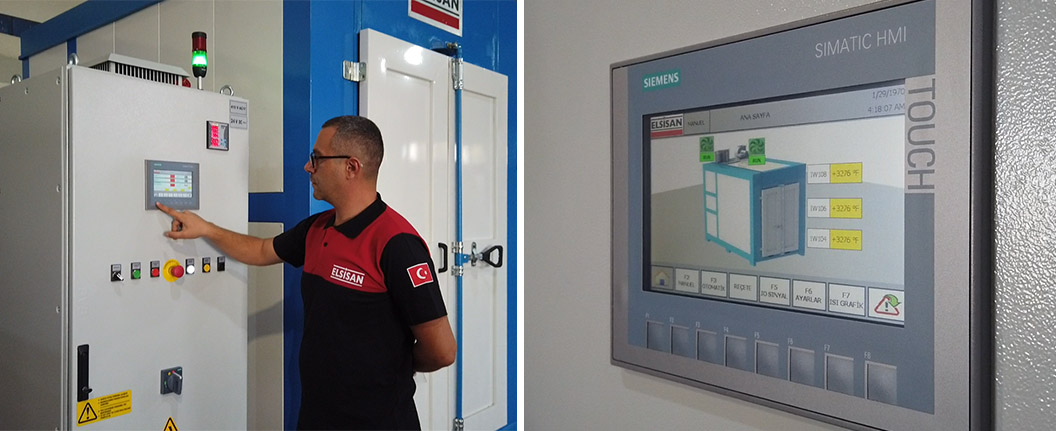
The control panel of batch ovens comes with a touchscreen interface. The PLC control panel allows for recipe management, temperature and time adjustments, and sensor data reading. The system is controlled via sensors that monitor internal temperature, fan airflow, and exhaust temperature. The PLC control panel also enables stepwise adjustments over time and provides alerts if products are not removed after baking, preventing overexposure to heat.

Industrial batch ovens - control panel


Customization Options:

We can customize our products in various ways according to your needs. Below you can find detailed information about these customization options.

Şekil 4. EBF Elektrik ısıtmalı kutu tipi fırın


Airflow Options:

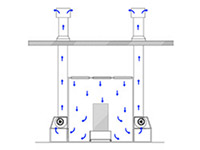
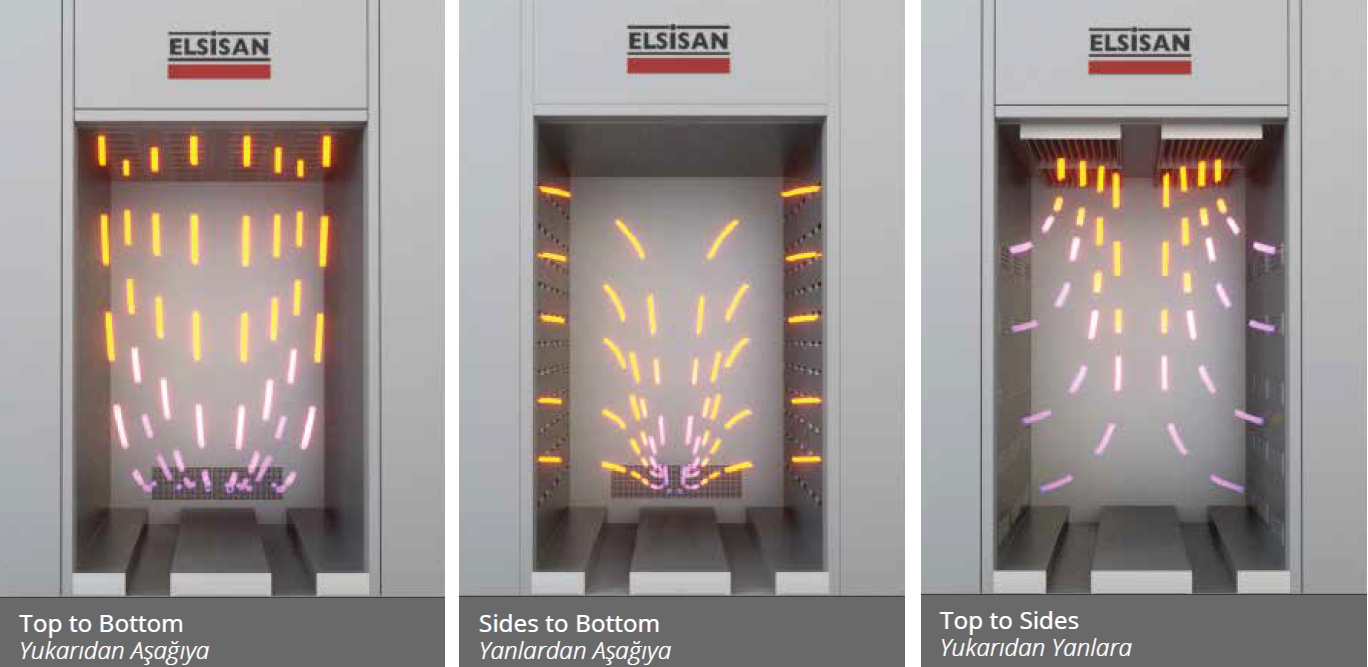
As Elsisan, we offer various airflow options to increase process efficiency with industrial batch ovens. They are designed to suit your needs. Air channel vents can be manually adjusted to ensure good heat distribution. Below, you will find air flow options such as top to bottom, side to bottom and top to side shown as examples. Different air flow types can be designed to fit your needs.

Air circulation in the oven is provided by a fan. Thanks to the air channels extending along the oven and the vents placed on the ducts, a homogeneous heat distribution is achieved in the oven.


Şekil 5. Hava akış yönü seçenekleri


Transport Options:

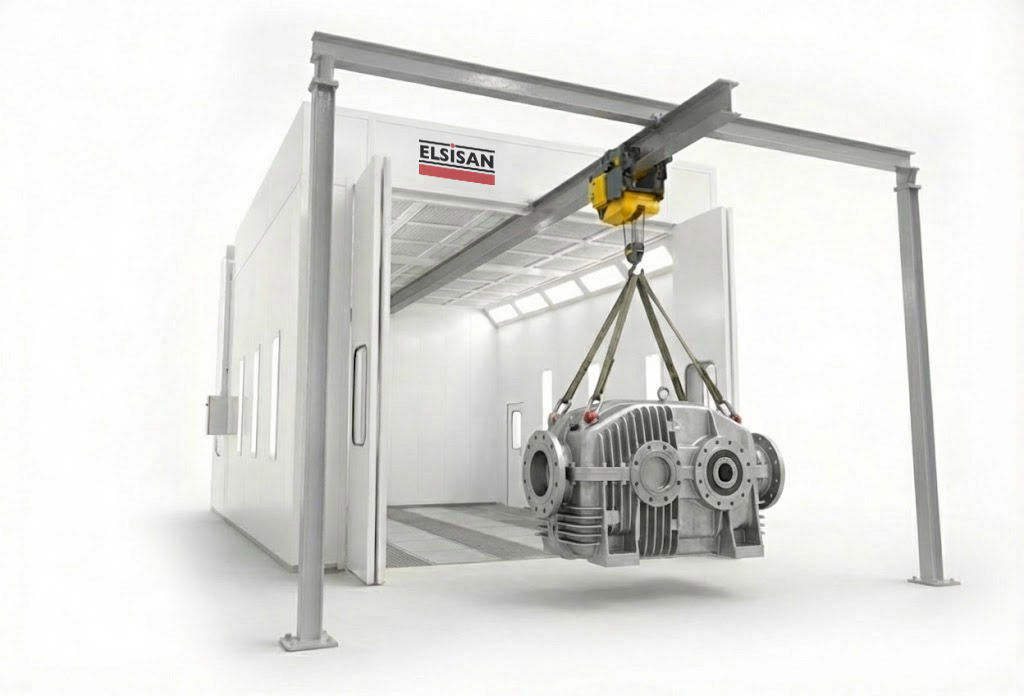
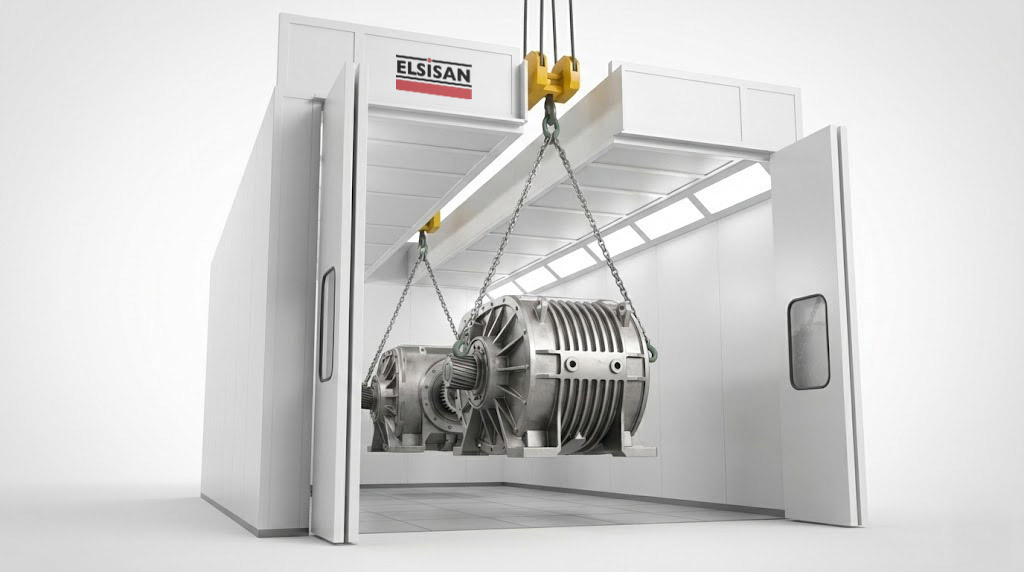
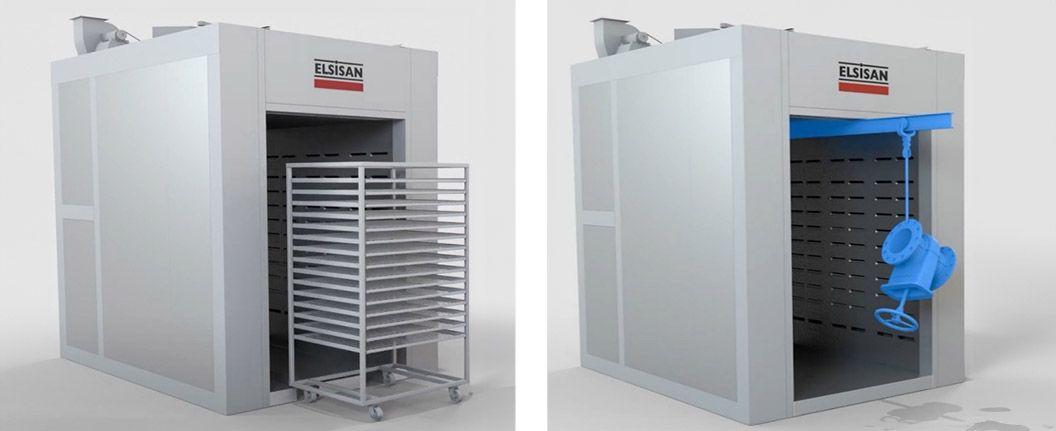
Batch ovens can be offered different transportation options depending on the number of products you want, the size and weight of the product. These options are mainly as follows;

  • Transport trolley that can move within the grooves opened on the oven floor
  • Manual overhead carrying system with I profile rail on the ceiling.
  • Ground rail transportation system.


Custom transport systems can also be designed according to your needs.

Şekil 6. Kutu arabalı ve Havai raylı taşıma sistemi

Door Options:

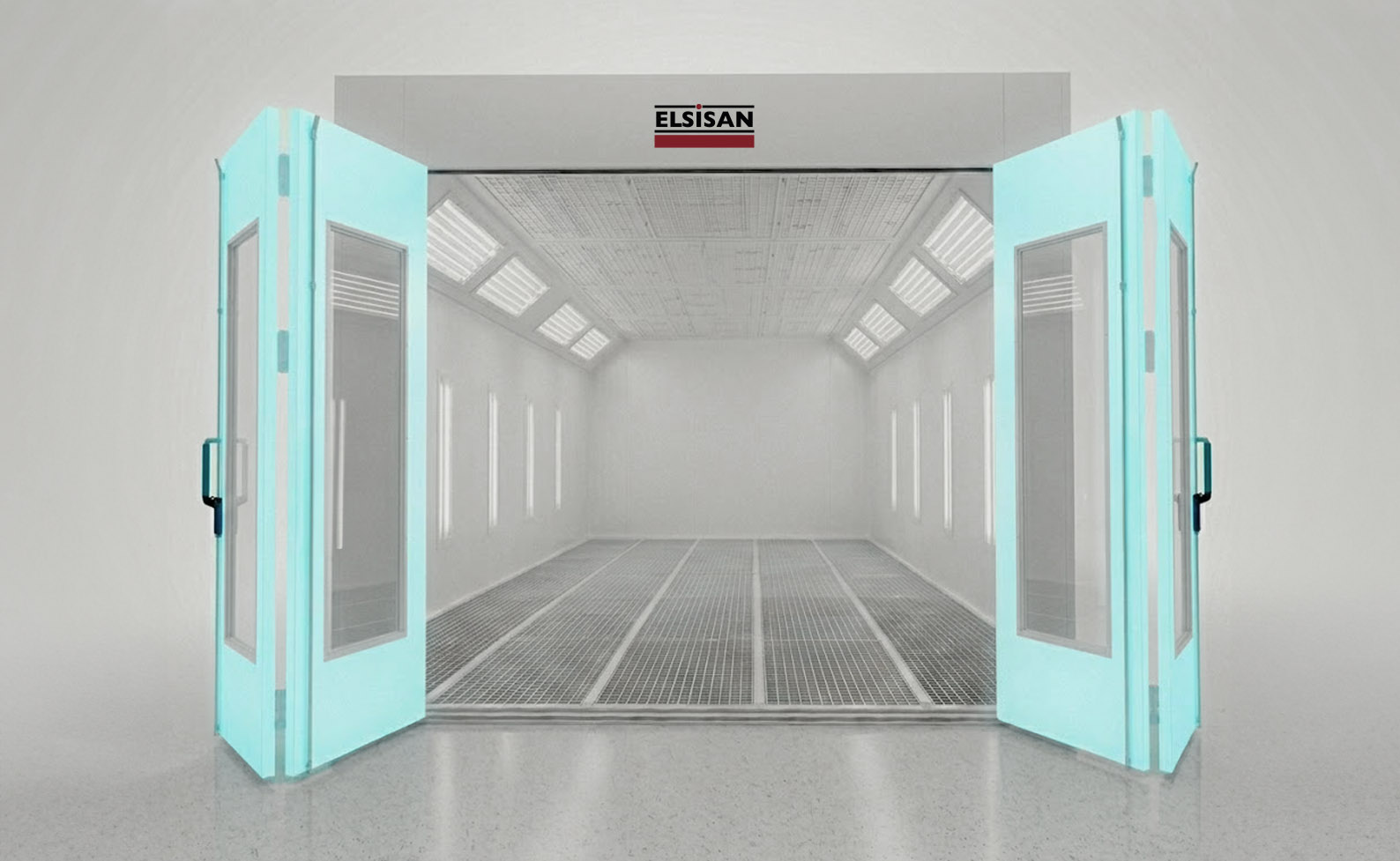
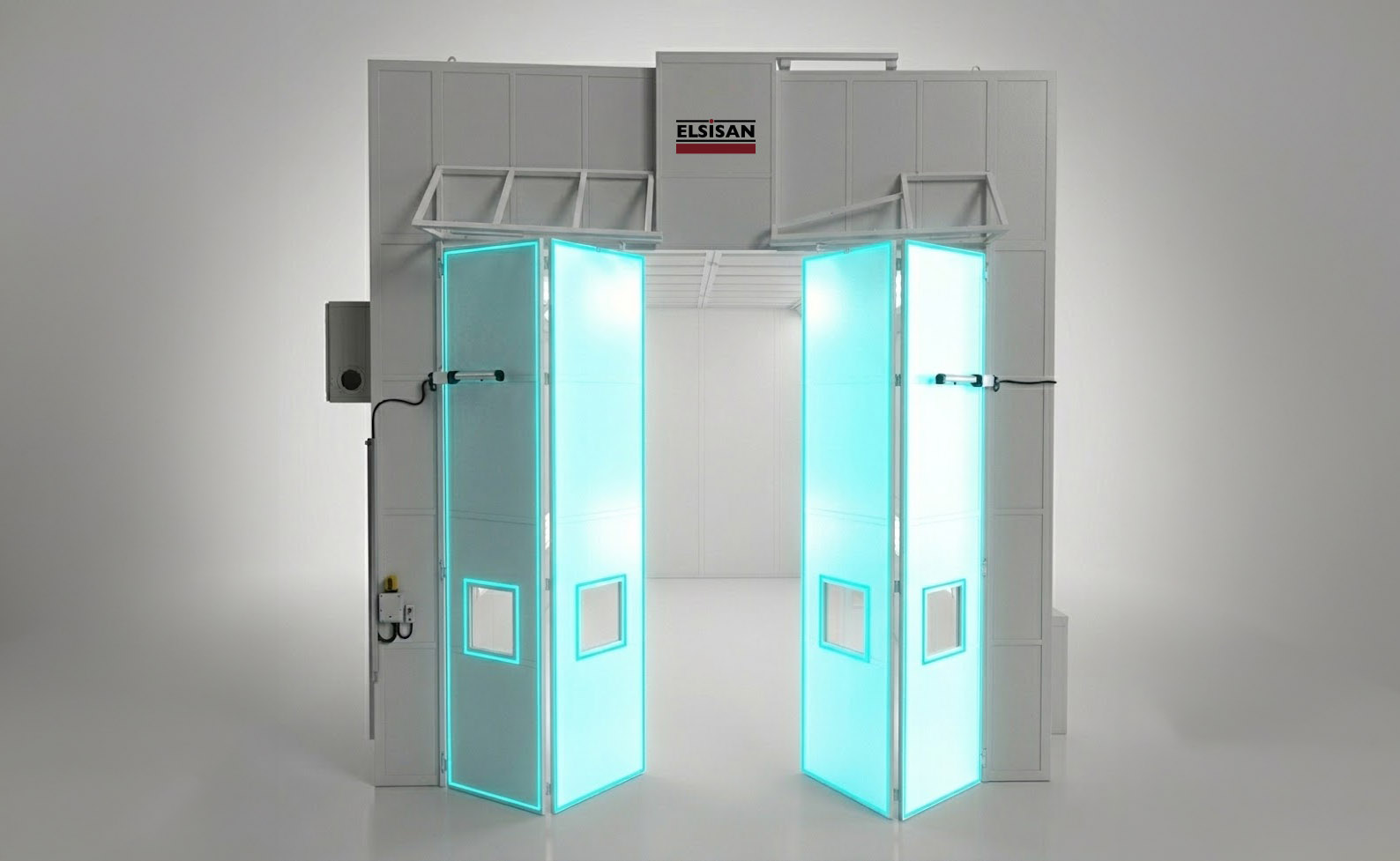
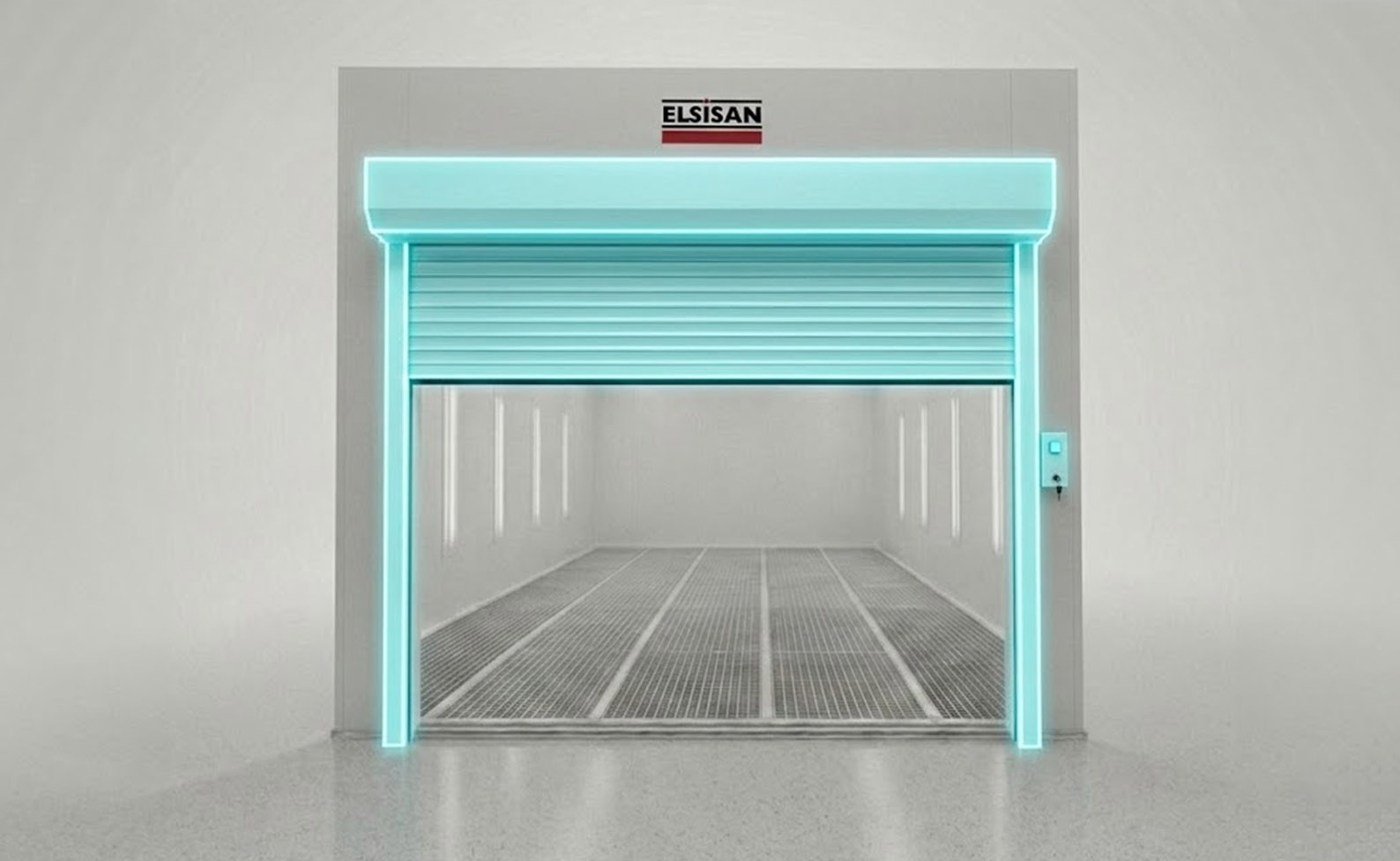
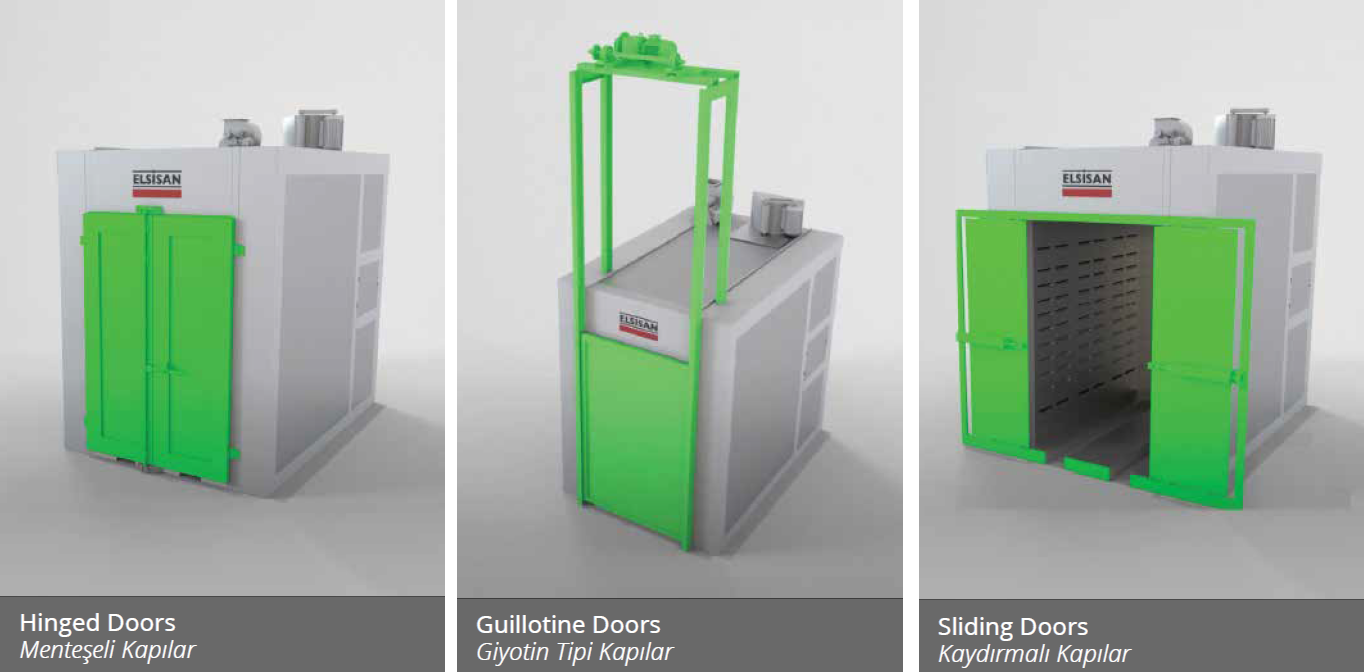
Ovens can be manufactured with different types of doors. We can determine the design of the doors according to the features of the production line. You can increase the functionality of your oven by choosing the model that suits your workflow and ease of access from our door type options.

  •  Hinged Doors
  •  Sliding Doors
  •  Guillotine Doors


Şekil 7. Menteşeli kapılar, Kaydırmalı kapılar ve Giyotin tipi kapı seçenekleri


Heating Options:

Batch ovens manufactured by Elsisan, provide efficient heating options tailored to your needs, adapting to different energy sources to meet your industrial needs.

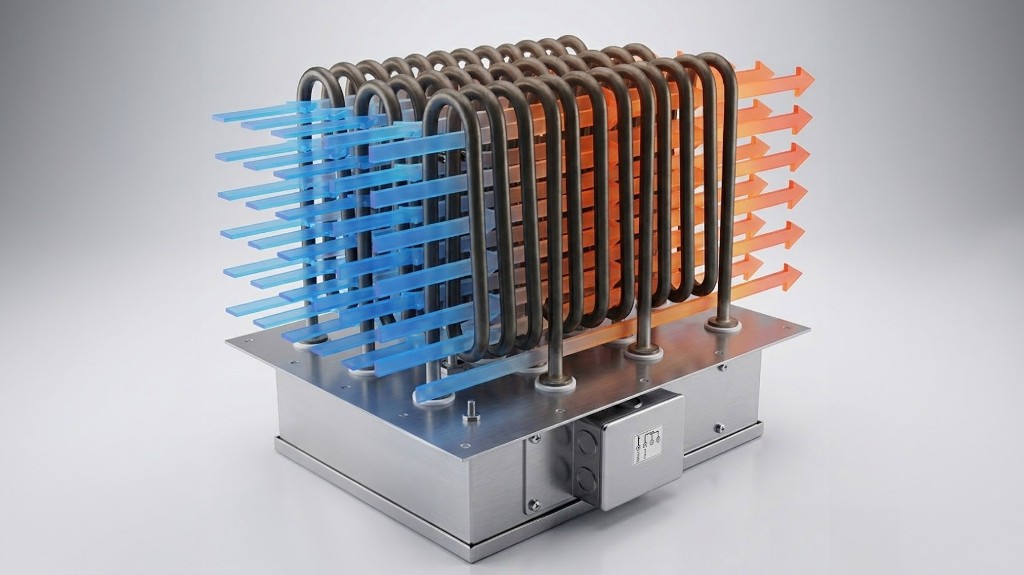
Electric: Our electrically operated batch ovens generate heat through high quality serpentine resistors. Serpentine resistors directly convert electrical energy into thermal energy and provide heat distribution with fans inside the oven.

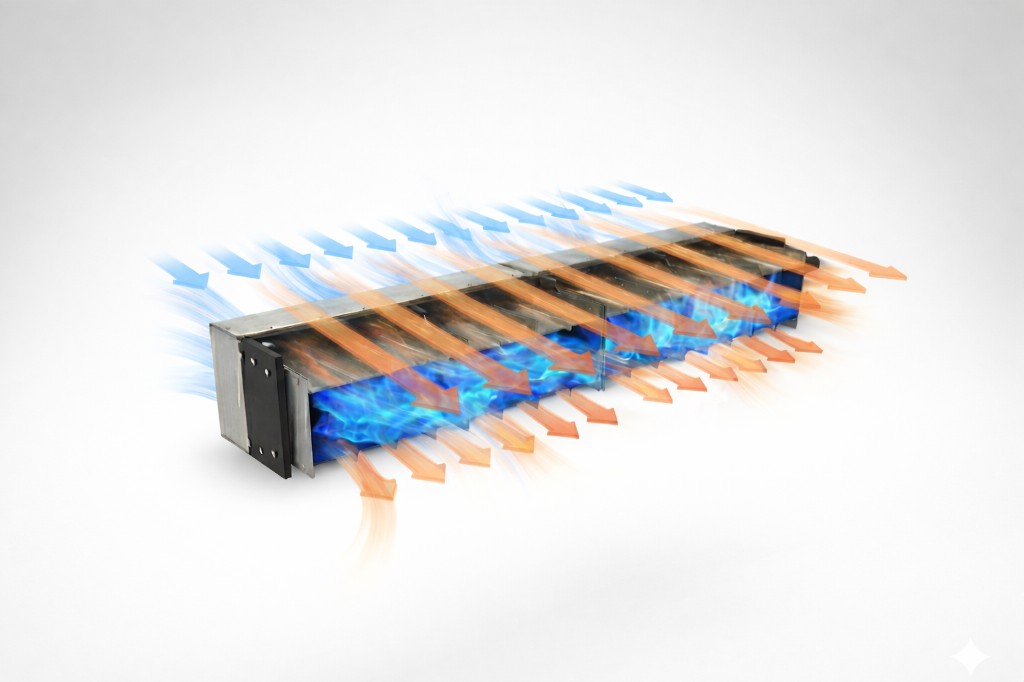
Natural Gas: Our batch ovens powered by natural gas provide energy through natural gas burners. The burners burn natural gas, provide high temperature combustion and transfer this energy into the oven, bringing your products to the desired temperature.

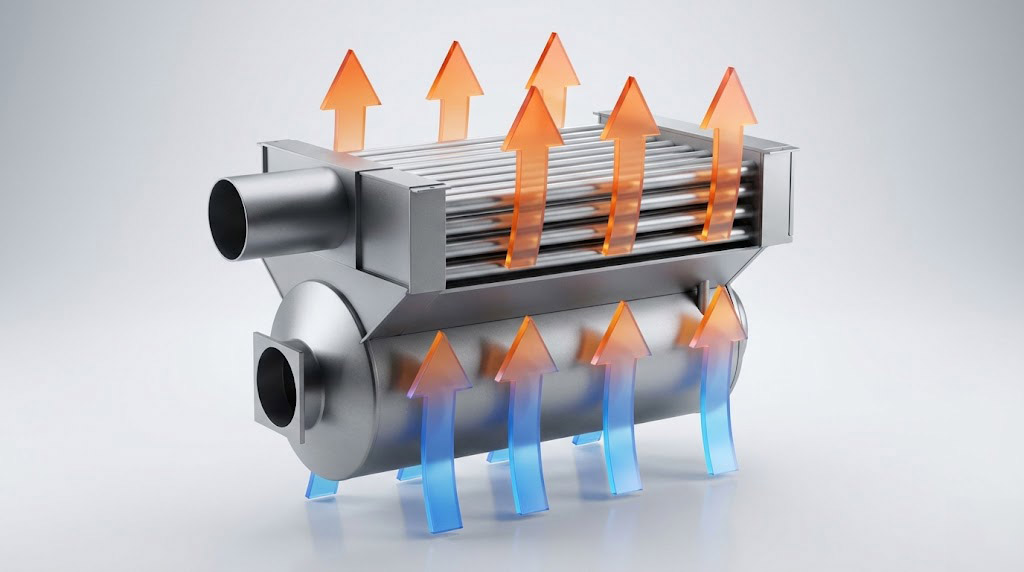
Steam: Steam heating options utilize existing steam lines. Energy from the steam exchanger heats the oven for your products. This method is suitable for large-scale facilities with easy access to steam.


Conclusion

As Elsisan, we provide various options to meet your industrial batch oven needs, helping you achieve effective production solutions. We prioritize high customer satisfaction and manage every aspect of the product lifecycle from design to delivery.

For more information and to request a quote, please contact the Elsisan team using the email address and contact information below. We look forward to assisting you in developing the best investment strategy for your company.
 

elsisan.com


Web : elsisan.com
E-Mail : elsisan@elsisan.com


Spray Coating Lines for Glasses: Process Steps and Options

Glass manufacturing is evolving, with advancements in technology driving efficiency and quality to new heights. A standout in this transformation is Elsisan’s state-of-the-art spray coating lines, which redefine precision and efficiency in glass painting. In this blog post, we’ll explore what you need to know before purchasing a glass spray coating line, and how these systems operate. Since all customer requirements are unique regarding part details, paint specifications, and space limitations, these lines are custom-made for our customers’ specific needs.

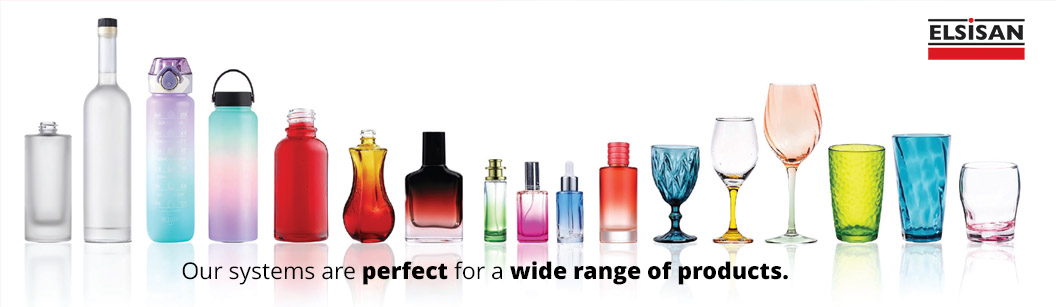
Which Parts Can Be Painted in Our Glass Spray Coating Lines?

  • Glass bottles
  • Bottle closures
  • Fragrance bottles and vials
  • Plastic bottles
  • Beverage bottles

And much more! Our systems are perfect for a wide range of products, and are not limited to the ones mentioned above.

Spray coating lines for glass - Glass products plastic bottles glasses

Things You Must Know Before Starting:

  1. Part Dimensions:
    We need to know the minimum and maximum dimensions of your parts. This helps design the conveyor and the spacing of part holder jigs to enhance your efficiency. Part dimensions will determine several other factors as well, such as door openings, spray coating equipment placement, and painting booth dimensions.
  2. Desired Capacity:
    To accurately tailor your spray coating line for optimal performance, we need to specify your desired production capacity in units per hour. This will optimize your investment cost and line efficiency. Having a larger capacity than needed will result in inefficient and expensive line investment and operating costs.
  3. Paint Technical Requirements (TDS Document):
    It’s important to choose your paint chemicals before starting the design of your painting line. After you choose your paint, companies will provide a Paint Technical Data Sheet (TDS), which will provide information about specific requirements such as paint application environment requirements, flash-off and curing times, and requirements. If you haven’t yet chosen your paint, the Elsisan team can recommend you a list of local and global companies who have expertise in this area to determine your paint chemicals and perform necessary laboratory tests.
  4. Available Factory Area:
    We need this information to determine the design of your machine. If there are any columns or obstructions in the area, or any other limitations in the space, we can work on different designs to solve and optimize your painting line design. It’s also important to consider loading and unloading areas and parts stocking areas.

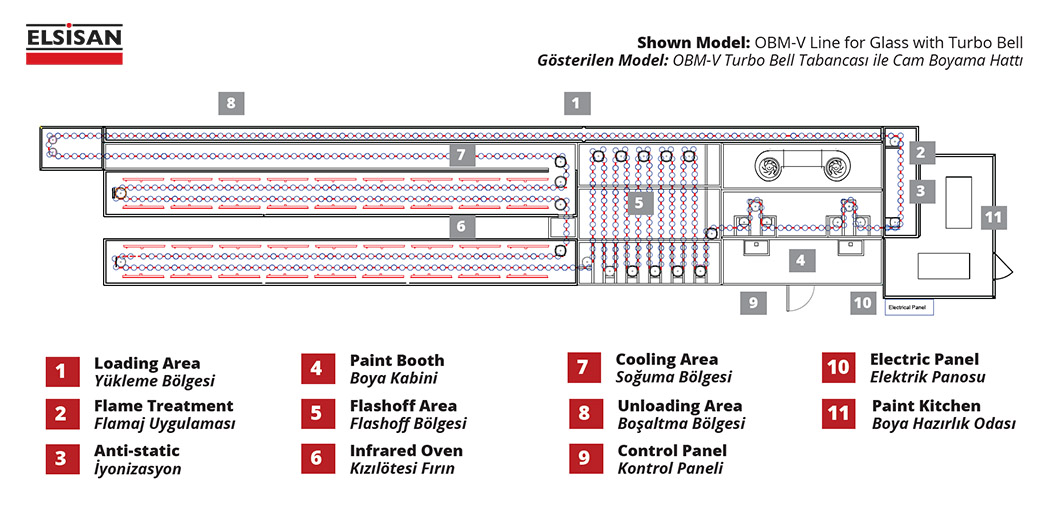
Sections of Glass Spray Coating Lines

After collecting the necessary information, we can start designing a spray coating line for glass. Let’s look at the usual sections of such a line:


1. Loading Area

2. Pre-treatment: Flame Treatment

3. Pre-treatment: Anti-static Application

4. Paint Booth

5. Flashoff Area

6. Curing Oven Area

7. Cooling Area

8. Unloading Area

9. Control Panel

10. Electric Panel

11. Paint Kitchen


spray coating lines for glass - sections layout 2d drawing

Loading Area

In the loading area, operators place the parts on top of part holding jigs which are specifically designed for customer’s parts. Some part holder jigs have different dimensions and masking areas to achieve customer’s requirements, so depending on the parts, the jigs may need to be changed. However, in most cases, universal part holder jigs can be designed to fit a variety of different products.

Pre-Treatment

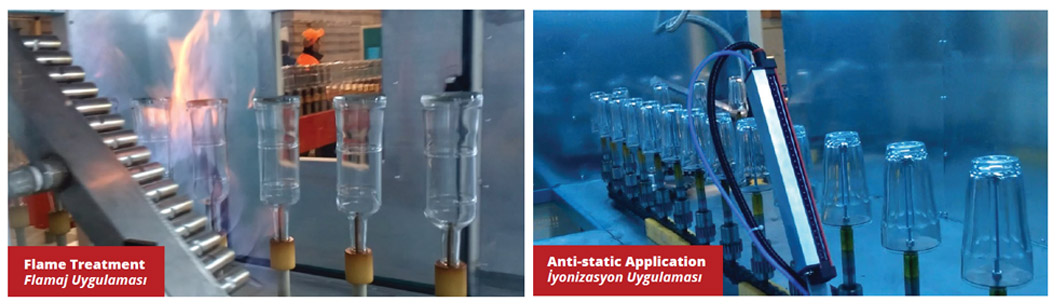
In glass coating applications, pre-treatment is an important step to achieve desired quality and durability. Therefore, two main pre-treatment applications are applied to parts:

1.Flame Treatment:
Flame application cleans and increases surface tension for better paint adhesion on glass and plastic, ensuring a durable, high-quality finish.

2.Anti-static Application:
Antistatic bars are used to neutralize static electricity, effectively removing dust and improving the quality of the paint applied.

Spray coating lines for glass - pretreatment antistatic flame treatment

Paint Spray Booth

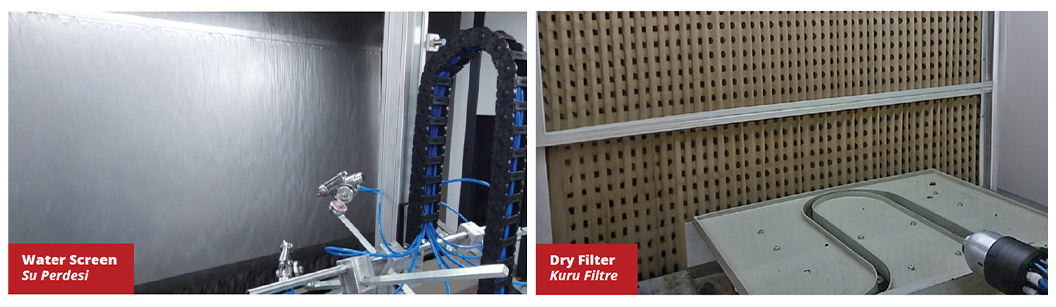
Inside the spray booth area, paint is applied through paint equipment in a controlled environment. Depending on the specifications of the Paint Technical Requirements, it’s highly important to create the necessary environment in terms of humidity and temperature to achieve the desired quality. As mentioned, there will be airflow inside the spray booth, and this airflow will help catch and filter overspray particles. There are two main options to catch overspray particles:

  1. Dry Filters:
    Dry filters offer a cost-effective, space-saving option, capturing overspray particles with fibrous materials.
  2. Water Screen:
    Water screens, ideal for high-volume use, use a water curtain to trap and purify, with optional sludge separation systems.

Spray coating lines for glass - spray booth dry filter water screen wet paint filter copy

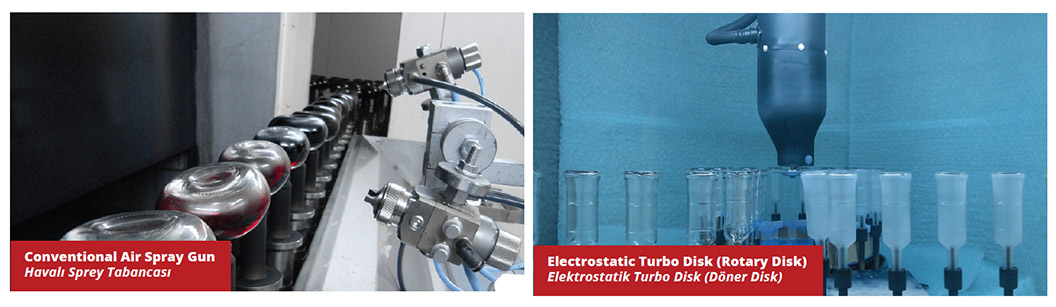
Another vital aspect of spray booths is choosing the right equipment for your spray application to achieve desired effects and efficiency. Here’s what’s commonly used in spray glass coating applications:
  • Conventional Air Spray Gun
  • Electrostatic Spray Gun
  • Electrostatic Turbo Disk (Rotary Disk
  • Electrostatic Turbo Bell (Whirling Cup)

Spray coating lines for glass - spray booth paint application styles coating equipment

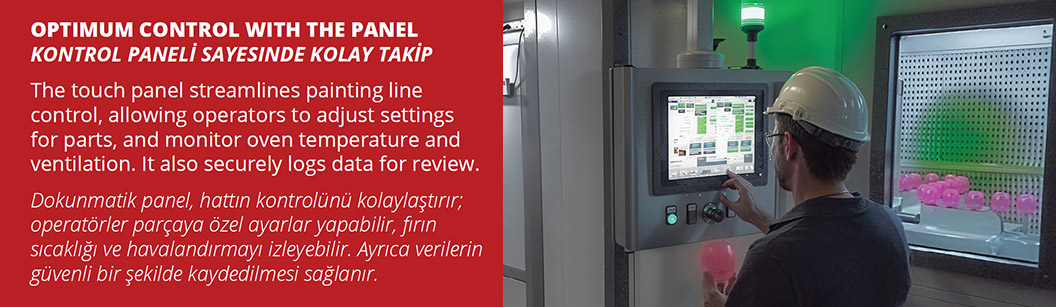
It’s also important for an operator to easily control and track the operations inside the spray painting booth, such as paint equipment stroke movements, filter changes, airflow, etc. That’s why a touch panel will be located right outside the spray painting booth in a position where the operator can easily see inside the spray booth through glass and make necessary adjustments and controls. It will also securely log data for future reviews.

Spray coating lines for glass - spray booth control panel

Flashoff Area

In the flashoff area, necessary exhaust and airflow will be created to achieve solvent evaporations. A certain amount of time needs to be spent in the flashoff area before the curing process can start.

Curing Area

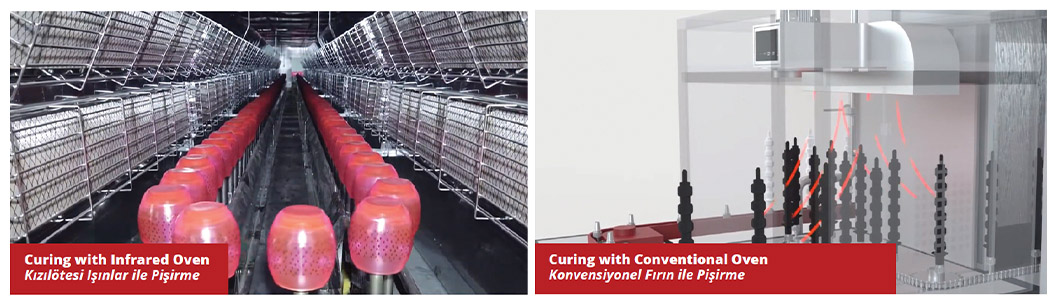
In glass coating lines, the curing phase is crucial to achieve the desired quality and durability of the paint application process to meet industry standards. Depending on your paint type, there are certain curing methods which can be used, such as:

  1. Convectional Curing:
    Conventional ovens offer versatility for various coatings, ensuring a uniform finish tailored to fit production needs.
  2. Infrared Curing:
    Infrared ovens ensure rapid, energy-efficient curing, ideal for high-speed production.
  3. UV Curing:

Spray coating lines for glass - wet paint curing oven infrared and convectional oven

Cooling Area

After the curing area, depending on the curing method, there will be a certain amount of space reserved for parts cooling before an operator can unload the parts in the next section.

Unloading Area

In the unloading area, since the parts are cooled, operators can easily pick up and unload them. It’s important to have enough space for stocking and boxing needs. While one operator can unload the parts, high-capacity lines may require more than one operator to quickly unload and move parts out of the conveyor area.

Customization and Additional Sections

As mentioned above, these are the main sections of most spray coating lines in the industry. However, more than one spray coating booth and curing areas may need to be added to the line to achieve certain effects or to work with different kinds of paint chemicals. When you contact our engineering team, we will guide you through your decisions, providing necessary advice to create efficient, long-lasting line operation details and help you choose the best investment strategy based on your parts, capacity, and other technical specifications.
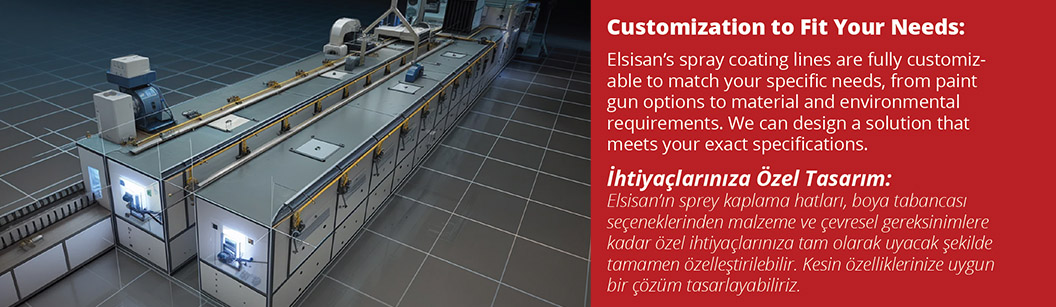
Spray coating lines for glass - customization to fit your needs custom made painting lines

Elsisan’s Comprehensive Services

  • Engineering
    Our engineering approach combines 3D visualization with expert analysis to identify challenges early and enhance efficiency, ensuring projects are effective from inception and adaptable to specific needs and environments.
  • Production and Installation
    tilizing cutting-edge technology, we uphold high production standards. Transparent workflows keep clients informed, while modular designs and strategic installation methods ensure rapid, seamless integration into client operations.
  • Training
    Our training programs are designed to empower clients, enabling optimal utilization of our systems. Through these programs, clients gain the necessary skills and knowledge for sustained success and maximum benefit from our solutions.
  • Service
    Our dedication to clients extends beyond project completion. We offer global service and expert guidance. Using network connectivity, we remotely access machines for support, ensuring solution effectiveness and high client satisfaction.

Conclusion

At Elsisan, our motto is “From Concept to Completion: Engineering Your Success.” We guide you along the way, providing necessary training and service even after the painting line is delivered. As a turnkey manufacturer of coating lines, we develop long-lasting relationships with our customers to be their global provider and partner in glass spray coating applications.

To learn more and get an offer, reach out to the Elsisan Team today through the email address and contact information below. We will be happy to assist you and provide our globally renowned lines to create the best investment strategy for your company.


Web : elsisan.com
E-Mail : elsisan@elsisan.com

Industrial Glass Painting Technologies

Industrial Glass Painting Technologies

 In the glass industry, which is gaining momentum today, serial painting of bottles and glasses is done by fully automatic machines. Products such as glass bottles, glasses, souvenirs, glassware are painted with two types of paint, organic and inorganic. Organic paints are water-based or solvent-based double components. Paint application; can be made by air injection, roll printing and silk screen print methods. Organic paints can be dry by air drying, oven drying and UV drying. After drying, the paint forms a hard film.

Inorganic paints are water-based or solvent-based, single component. Matte coating process can also be applied as frosting. The glass is mattified with the matting frosting application and a frosted appearance is provided on the surface. Paint application; can be made by air spray, roll printing and silk screen print methods. Inorganic paints are dried at ovening temperatures starting from 550°C. The paint becomes a complete whole with the glass after ovening process.
 

Air Spray Paint Application

Glass products to be painted are loaded from the loading area to the conveyor flowing at the adjusted speed by the operator or the robot. The glass first goes through the flaming process to abrade its surface. In the flaming process, the glass surface is exposed to thermal oxidation for less than one second with the flame formed by using gases such as methane, propane, butane. With the flaming process, the ability of the paint to adhere to the surface is increased. In the continuation of the coating process, the product passes in front of the antistatic cleaning unit in order to remove the static tension on the surface. The surface is statically cleaned and ready for paint.

Painting can be done with a conventional air gun, bell gun or disc system in accordance with the capacity and the shape of the glass piece. With conventional air guns, many different colors can be applied at the same time in cases where quality expectations are not high.

Thus, the inventory cost is reduced and the packaging time is shortened. In mass productions with high capacity, thanks to the 80-90% transfer efficiency with the Bell gun and disc system, despite the increase in paint prices, economy in paint consumption is ensured. Bell and Disk systems provide excellent paint uniformity and quality. Extremely low overspray reduces cabin exhaust flow and reduces cleaning requirements.

Cabin where paint applications are made; It can be produced in two different types with water screen or dry filter. Today, dry filter technology has progressed positively and has become more preferred.
 

Paint application is made in a positive pressure room. With the help of positive pressure booth, the paint application is isolated from the external environment and dust entry into the cabin is prevented. In all painting systems, the glass is rotated around its axis during painting. Paint-applied products enter the flash-off section. Resting before the oven is done by staying in the flashoff for about 10 minutes.

Paint drying oven can be made with conventional or infrared. In infrared ovens, the oven time is shortened by 1/3. For example, the curing time, which is 20-25 minutes in conventional conventional ovens, decreases to 6-8 minutes. Fans are used for heat distribution in conventional furnaces. With the fan circulation, dust flying in the fan also occurs. Since there is no air circulation in the infrared oven, the paint is cured in a dust-free environment.

Glass products coming out of the oven enter the cooling section and cool down to the touch temperature. Glass products after the cooling section; arrives at the unloading station. It is emptied and packaged by the operator or the robot or transferred to the high temperature furnace.
 

Glass Painting Technologies In Industry 4.0

Glass painting machines are machines suitable for the new industrial revolution defined as Digital Industry, 4th Industrial Revolution or Industry 4.0, with loading and unloading done by robots.

Conveyor and loading and unloading robots communicate and move synchronously through sensors communicating with each other in the glass painting machine. All of the glass painting machines are PLC and computer controlled. A separate recipe can be created for each product. Important values such as how many glass products are painted per hour, paint consumption, energy consumption, thermal energy consumption, stopping and working times can be recorded and reported. In addition, the user is warned with fault alarms and maintenance alarms depending on the anticipated maintenance period.
 

With the help of remote access, PLC system can be intervened and data can be received from the office or from a different country. Fully automatic glass painting machines can work completely unmanned with its developing technology, thus providing speed, economy, efficiency and quality. With the increase in efficiency and quality, the global market share of glass products can be increased significantly.


To get an detailed information about industrial glass painting, please visit product page from the link below

https://elsisan.com/tr/endustriler/cam-sektoru


Canay IŞIKMAN

Project Engineer

Project Department

Elsisan A.Ş


Chemical Surface Preparation Process Before Paint Application

Surface preparation is one of the most important factors affecting the quality of the product after paint application.

Before the paint application process, it is the cleaning of grease, welding dirt and similar impurities on the surface of the material arising from the production by applying solvent, acidic and alkaline chemicals from the material surface.

The surface preparation process does not have a protective feature. It cleans the material and makes it suitable for the paint to adhere to the surface. Surface treatment is applied to increase the corrosion resistance of all paint coatings.

As a result of surface treatment, corrosion resistance and adhesion of paint to the surface increase. Corrosion and other problems in the coating may result from improper application of the surface treatment process. Surface treatment is usually more important than the final coating. Generally, two types of surface preparation methods are used. The surface preparation method can be selected according to material structure and capacity.

Generally, two types of surface preparation methods are used. The surface preparation method can be selected according to material structure and capacity.

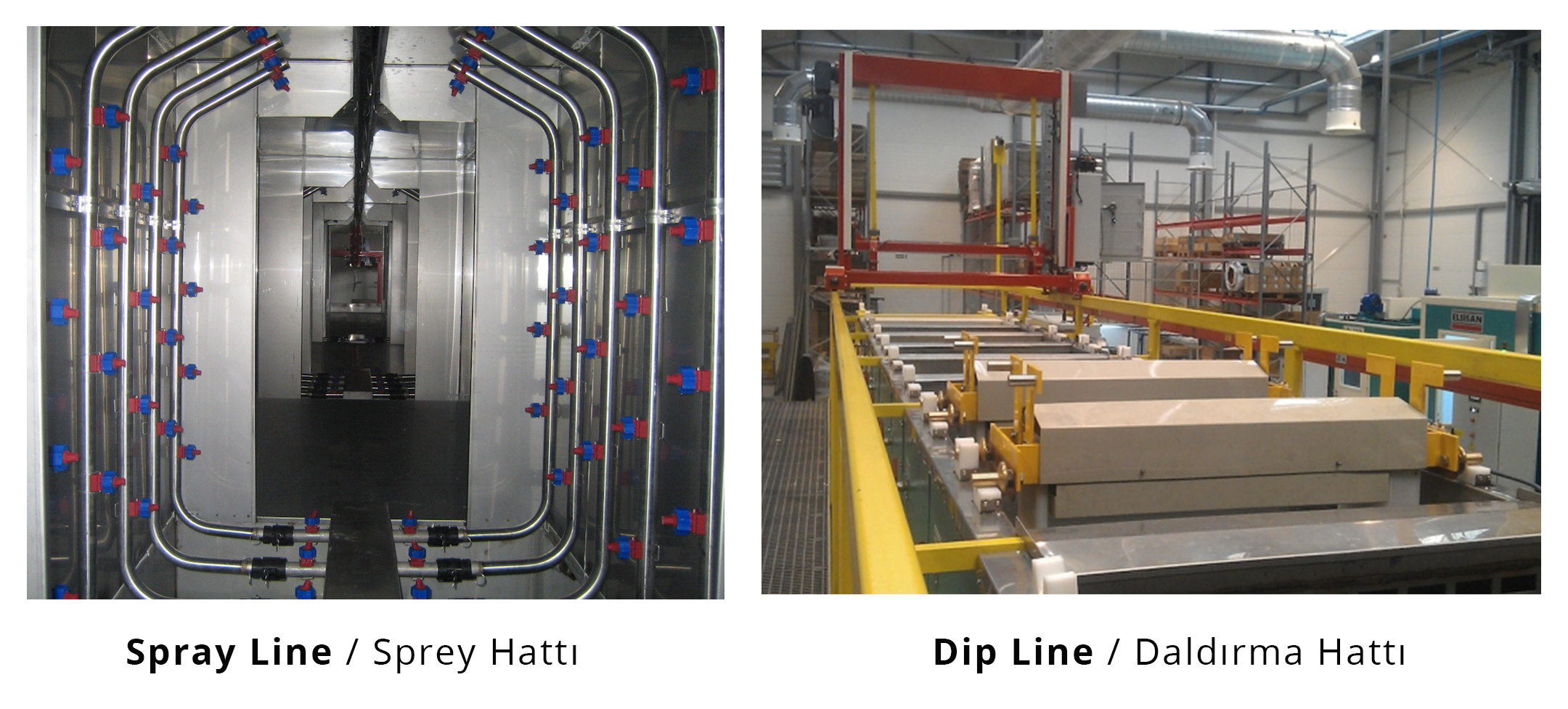
  • Dipping type surface preparation
  • Spray type surface preparation

Dip line / Spray line


The factors that affect the surface preparation process sequence and selection are mainly,

  • Quality and type of metal
  • Condition of the surface: pollution rate and types of pollution that need to be cleaned from the surface
  • Finished product, using areas and the level of protection required
  • Economic and environmental factors.

The most basic chemical cleaning solutions, depending on the above factors,

  • Iron Phosphate
  • Zinc Phosphate
  • Nano Coating

A. Iron Phosphate

It is applied to surfaces that do not require high corrosion resistance. For this reason, it is preferred in the coating of products used in closed environments that will be exposed to less corrosion. Since the number of baths is less than the zinc phosphate coating, the operating and investment costs are lower. Spray pressure should be chosen between 1.5 – 2 bar in spray pre-treatment lines. Degreasing and iron phosphate baths are between 60°C ±5°C. The pH value of the iron phosphate bath should be monitored so that it remains between 5 ± 1. Values to be followed in the relevant process, temperature, pH, conductivity, pump pressure, nozzles and time.

Basically the process sequence,

  1. Degreasing
  2. Rinsing
  3. Iron Phosphate
  4. Rinsing
  5. Passivation
  6. DI Rinsing
  7. Drying oven

B. Zinc Phosphate

It is used on surfaces that require high corrosion resistance. It is a type of phosphating commonly used in the automotive, electronics and white goods industries. Spray pressure should be chosen between 1.5 – 2 bar in spray washing lines. The degreasing baths should be at 60°C ±5°C and the zinc phosphate bath at 50°C ±5°C. The values to be followed in the relevant process are temperature, pH, conductivity, pump pressure, nozzles and time.

Basically process sequencing:

  1. Degreasing
  2. Degreasing
  3. Rinsing
  4. Activation
  5. Zinc Phosphate
  6. Rinsing
  7. Passivation
  8. DI Rinsing
  9. Drying Oven


C. Bonderite (Nano Coating)

There is almost no waste compared to phosphate coating applications. While water usage is reduced in this type of coating, it reduces the COD and BOD load to zero as it does not contain heavy metals. Since there is no need for heating as in zinc and iron phosphate baths, energy costs are significantly reduced. Cleaning time and maintenance costs are also reduced as there is no clogging in nozzles, filters and heat exchangers as there is no waste. Nano coating process time is shorter than phosphate coatings. In corrosion tests, it is seen that iron phosphate and zinc phosphate provide corrosion resistance.

The values to be followed in the relevant process are temperature, pH, conductivity, pump pressure, nozzles and time.

Basically process sequencing:

  1. Degreasing
  2. Rinsing
  3. DI Rinsing
  4. Nano Coating
  5. Rinsing
  6. DI Rinsing
  7. Drying Oven


Degreasing Types

1. Degreasing

All metal parts contain grease on their surface. The purpose of the grease on the metal part’s surface is to protect it from corrosion until the parts come to the process phase. The degreasing process is generally implement in the first phase of pre-treatment. The degreased part becomes ready for rust removal and phosphate application. Applying these processes to the metal with a greasy surface does not give healthy results, and the main problem arises after the paint is made. Color differences can cause yellowing and lightening of the paint. The degreasing process can be done alkaline, acidic or neutral. The type of metal, the way of application, the type of grease determine the properties of the chemical to be used. In a correct degreasing, it is desirable to have the properties of heating the surface, penetrating deep, removing the grease, breaking the grease, emulsifying and rinsing easily. Degreasing chemicals are used by dipping, spraying and wiping methods. The degreasing process is carried out by saponification of vegetable or animal oils and emulsification of mineral oils. It is also important that the metal does not darken and does not wear heavily in degreasing baths.

Bath control parameters to be considered are:

  • Temperature
  • Concentration
  • Total Alkalinity
  • Time

a. Alkaline Degreasing

The alkaline degreasing process is carried out in hot and alkaline baths. Alkaline degreasing chemicals are used in concentrations such as 1 – 15%. This change in concentration varies due to the difference in the amount of grease as well as the design of the line as dipping or spraying. The pressure effect in the spray baths will minimize the chemical percentage. Density in the amount of grease will increase the chemical ratio. The pH of the bath is monitored between 10 – 13. Temperature is the most important parameter to be followed in alkaline degreasing. The operating temperature varies between 50-95°C. The action that can be taken at low temperatures is to extend the time by increasing the concentration. The degreasing of the materials entering the degreasing bath can be taken between 5 and 20 minutes.

b. Acidic Degreasing

The Acidic Degreasing process is generally used for parts with rust on the metal surface. As grease is removed from the metal surface, rust is also cleaned. This type of degreasing works in an acidic environment. It certainly contains acids, (phosphoric, hydrochloric, sulfuric etc.) wetting agents and sometimes inhibitors. The pH of the Acidic Degreasing bath is between 1 and 2. Although the bath temperature can be used at ambient temperature, using it at high temperatures will increase the degreasing capacity and the reaction rate. Chemical concentration can be used between 5 – 50%. Metal surfaces with deep rust are cleaned in high concentration baths. Bathroom material must be made of stainless or plastic material with high acid resistance. In addition, after the acidic degreasing bath, the metal surface becomes susceptible to corrosion. For this reason, the part must be taken to the next process bath immediately.

c. Neutral Degreasing

Neutral Degreasing chemicals are generally used in spray surface treatment lines. It is also used as a degreasing agent in iron phosphate baths. Since the pH range is 6 – 8, its effect is very less compared to acidic and alkaline degreasing. The most common use is in the form of degreasing in iron phosphate lines. Generally, spray iron phosphate chemicals contain degreasers, but when the bath concentration begins to decrease, neutral degreasing agents are added. It is preferred because it is used in low concentrations such as 1-2%, as well as being treated with iron phosphate in the same bath. Working at temperatures between 50 – 55°C also provides a separate advantage.


Naim UZEL

Project Engineer

Project Department

Elsisan A.Ş


OBM-V Automatic Wet Paint Systems with Vertical Spindles

Small sized metal, plastic or glass products with a large number of production in many sectors such as automotive, glass, white goods, aerospace, furniture, construction, defense industry; OBM-V automatic wet paint machines with vertical spindles can be used for coating with wet paint for both corrosion and aesthetic purposes
(more…)

Rubber to Metal Bonding Agent Application Techniques and Solutions

As Elsisan, we offer many different options for our customers’ needs in our rubber metal bonding agent applications.(Rubber to metal bonding agents also known with different products names such as Chemosil, Chemlok, Megum) Some of our application solutions for these bonding agents are manual while some solutions are completely automatic application systems.

In order to offer the most suitable and economical solution to our customers, firstly the answers for following questions needs to be provided:

THINGS TO KNOW BEFORE STARTING:

  1. Dimensions of the parts and application areas: 
    Whether the part has a surface that will not be painted or has a surface to be masked is important when proposing a solution. In addition, the application of what we call 2-dimensional parts, that is, parts with little or no depth, includes different application methods compared to the 3-dimensional parts whose all surfaces will be painted.
    For 2-dimensional parts (with little or no depth), generally belt conveyed (horizontal type) application solutions are offered, while for 3-dimensional parts, solutions with ground or overhead conveyors are preferred. Other than those two solutions, when it is requested to apply agent to all inner and outer surfaces of the parts, dipping type solutions are offered. In this solution the application can be made by dipping the suspended parts into tanks.

  2. Capacity:
    Capacity is critical in understanding whether you need manual system, semi-automatic or automatic system solutions. At this point, making the right choice will significantly affect the investment and operating costs of the customer.

  3. Factory installation area and part loading-unloading methods:
    Depending on the area to be installed in the factories, more compact designs can be preferred in automatic application solutions.
    The part loading and unloading area plays an important role in the designs we offer to our customers. While in some companies, our customers prefer solutions that a single person can do loading and unloading from only one area. Some of our customers demand larger areas and sometimes lift-assisted loading solutions for loading heavy and large parts. At the same time, automatic loading and unloading solutions can be integrated into the design according to the demands of our customers, thus allowing spontaneous transition between different lines.


MODEL TYPES:

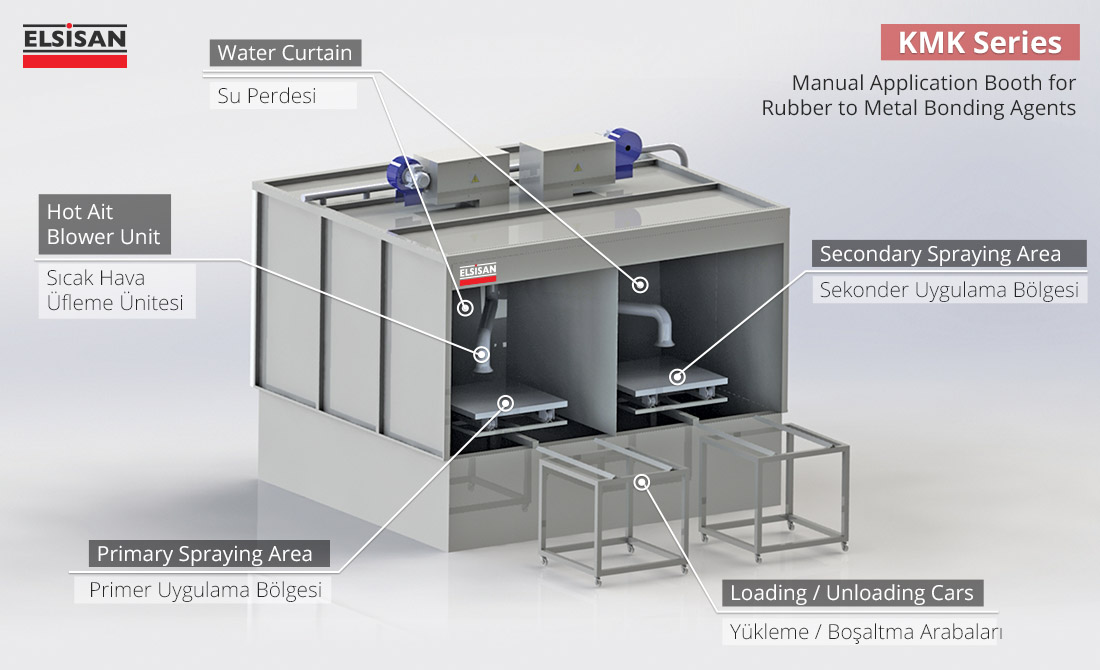
Manual Solution- KMK Series:

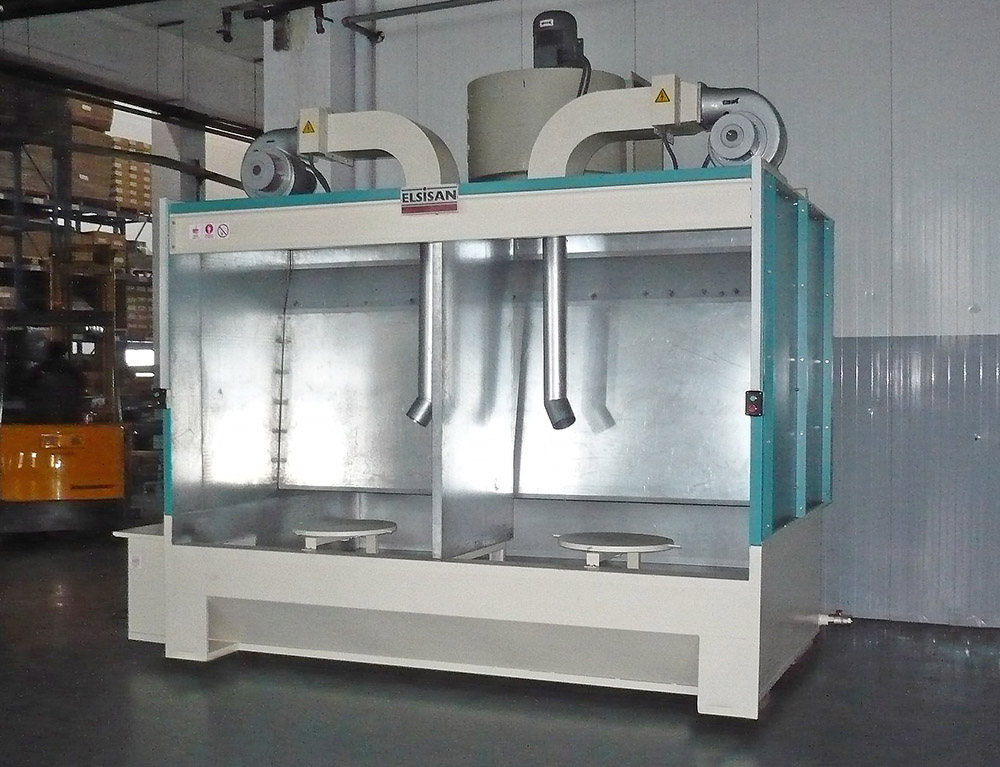
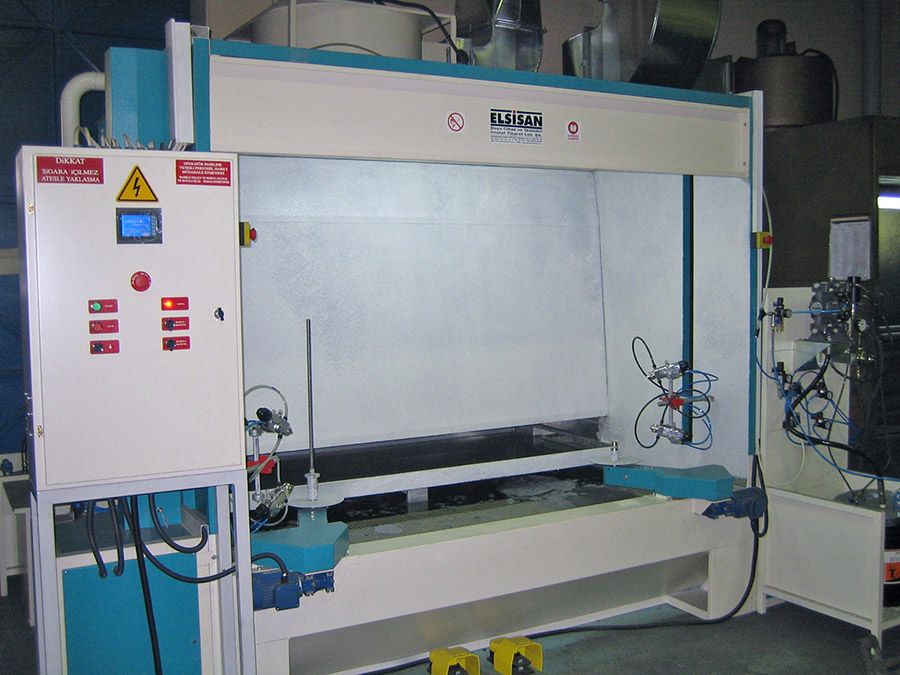
Manual rubber to metal bonding agent application solutions are done with water curtain spray booths. The application is done manually with a gun application by the operator. Overspray molecules are caught and accumulated in water by means of water curtains and nozzles. Other paint particles that are not caught by the water curtain are caught by separators in the suction section, thus preventing them from reaching the fan and being thrown out.

There is a tray in the cabinet to place the parts. The table is rotated manually by the operator. With the help of the hot air blowing pipes on the application area, the drying process is accelerated.

Visit KMK product page by clicking here


Semi Automatic Solution – KSO Series:

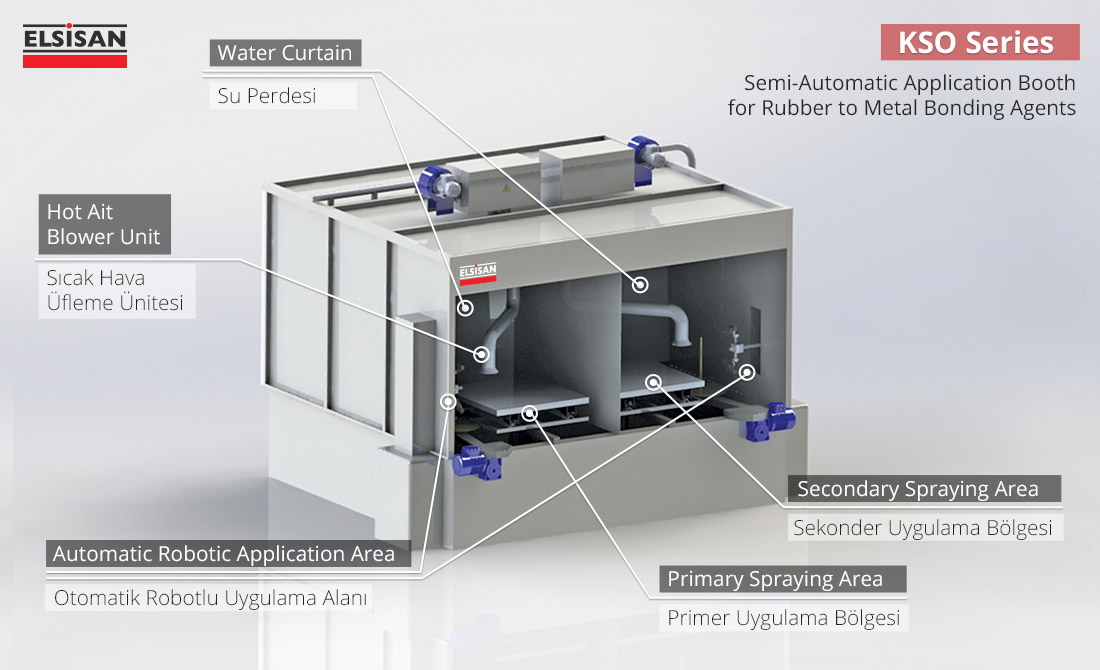
Compared to the manual solution, a 2-axis automatic application gun is used in this semi-automatic model. The table on which the parts are placed is also automatically rotated. The water curtain functions similarly to manual cabin to capture overspray particles. Other paint particles that are not caught by the water curtain are caught by separators in the suction section, thus preventing them from reaching the fan and being thrown out. With the help of the hot air blowing pipes on the application area, the drying process is accelerated.

Visit KSO product page by clicking here


Fully Automatic Application Solution with Belt ConveyorOKM-H Series:

OKM-H series are used to apply rubber to metal bonding agent to 2-dimensional parts, that is, parts with no or less depth. The parts are placed on the tray and loaded on the horizontal conveyor. With the help of horizontally moving conveyor system, the parts are moved through preheating, primary application, drying, secondary application and cooking processes. Then parts are brought to the unloading area in a cooled state which are unloaded by the operator. The entire system can be instantly monitored and controlled from the control panel.

Visit OKM-H product page by clicking here


Fully Automatic Application Solution with Paternoster Type ConveyorOKM-P Series:

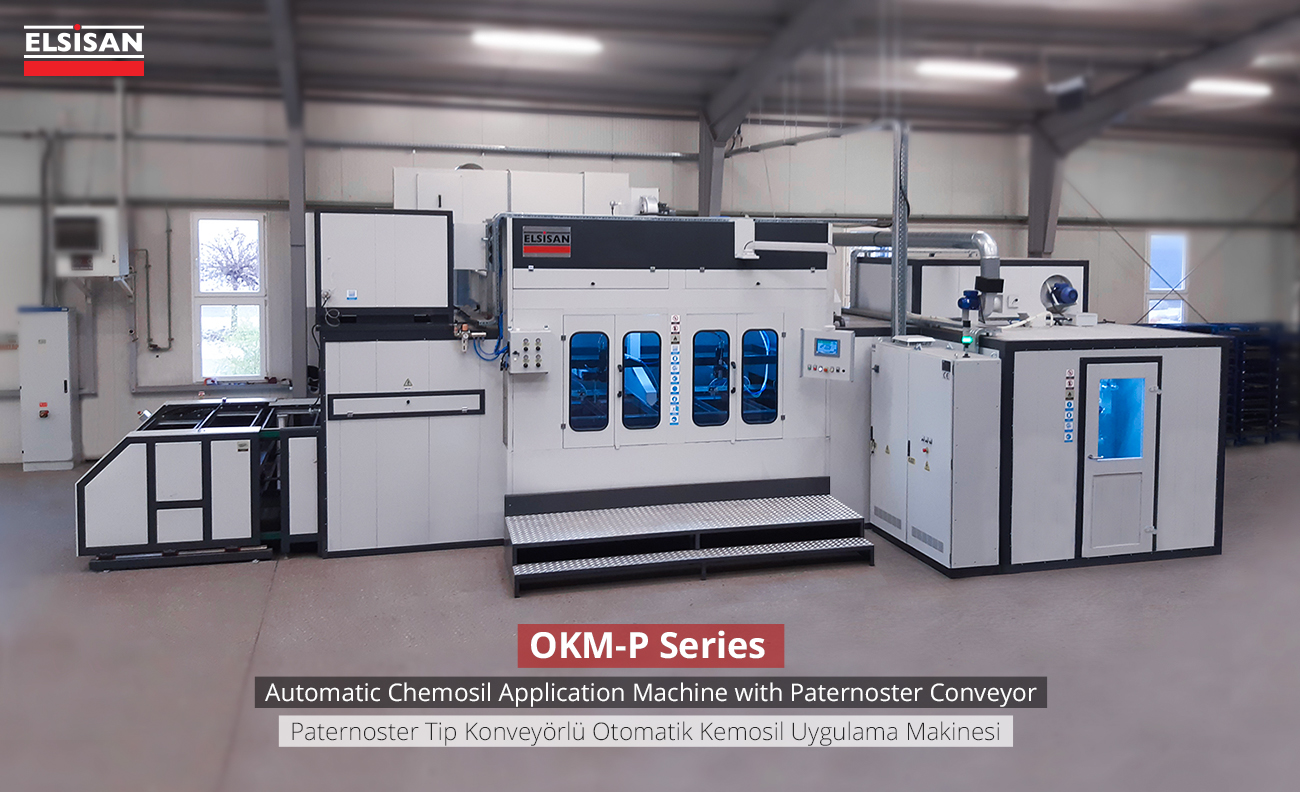
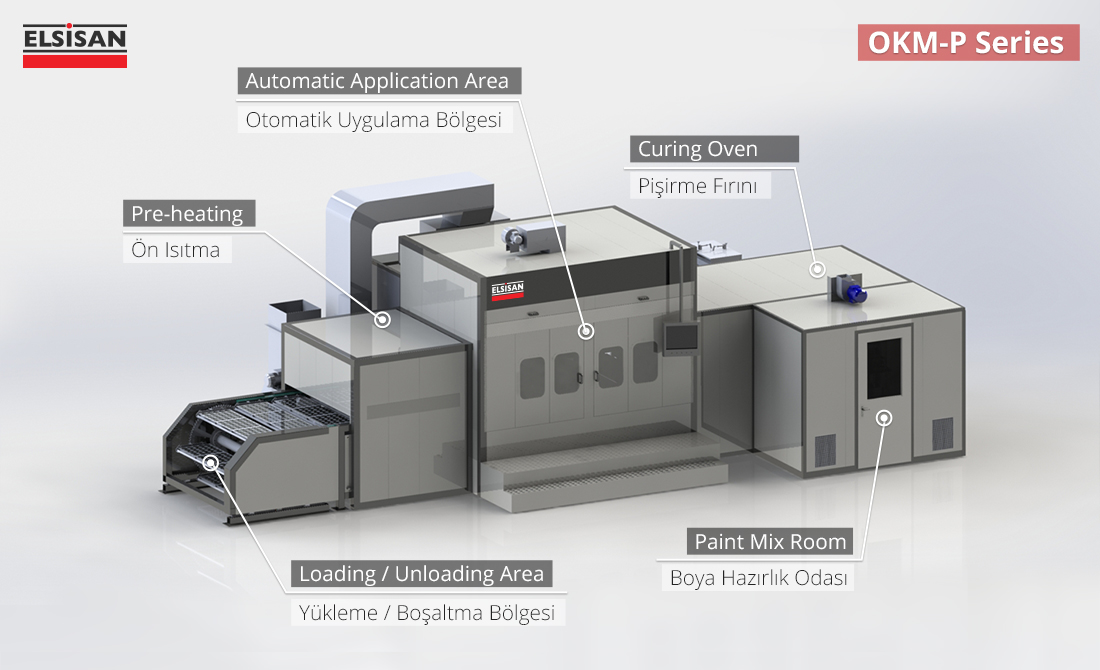
The most important difference of the OKM-P model, which is very similar to the horizontal belt application(OKM-H Series), is that the unloading and loading points of the trays are made from the same area. In this way, the operator can load and unload from one side. At the same time, the fact that the baking process continues when the trays descend to the lower section of the conveyor, makes the machine more compact and allows the machine to occupy a smaller area in the factory. The application process is done as follows: The parts are placed on the tray and loaded on the horizontal conveyor. With the help of horizontally moving conveyor system, the parts are moved through preheating, primary application, drying, secondary application and cooking processes. Then parts are brought to the unloading area in a cooled state which are unloaded by the operator. The entire system can be instantly monitored and controlled from the control panel.

Visit OKM-P product page by clicking here


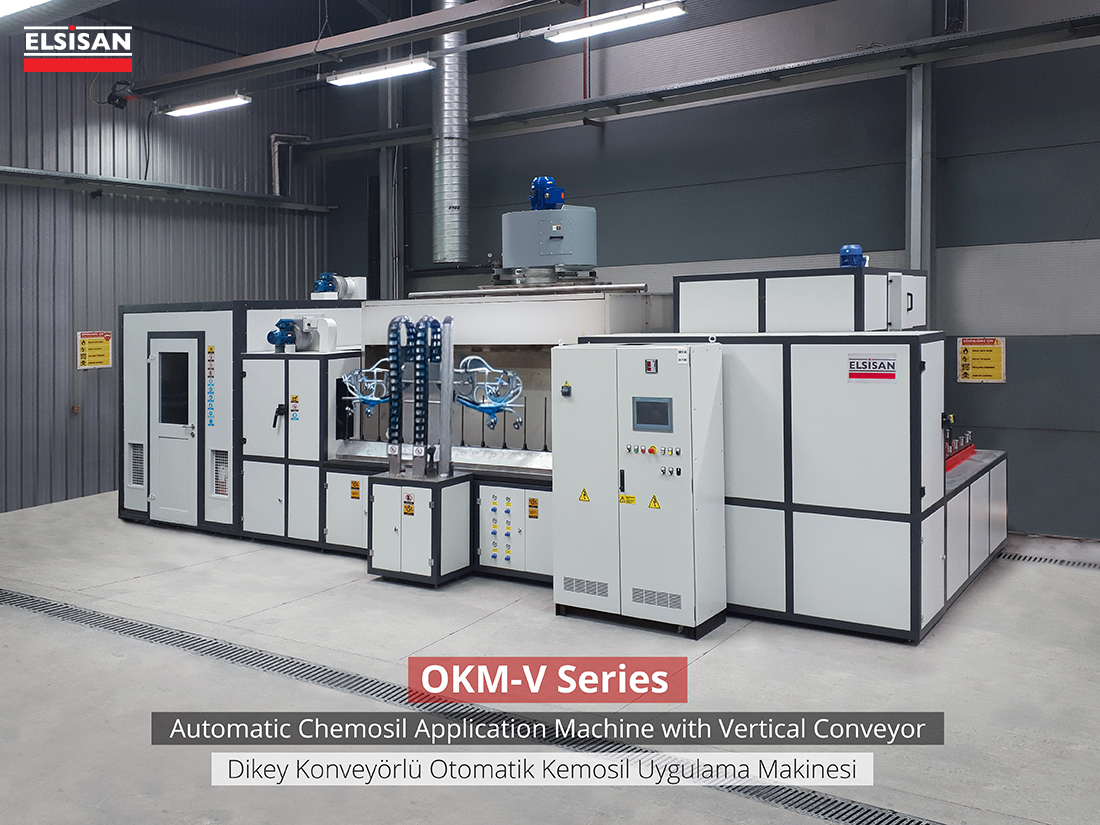
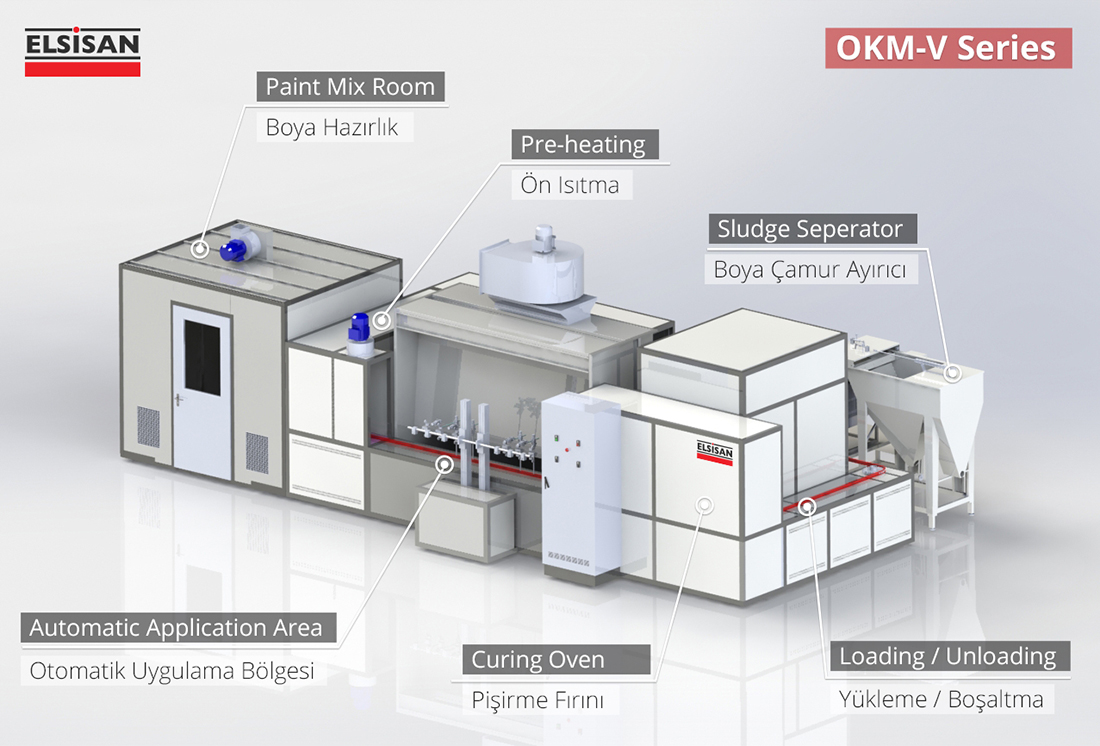
Fully Automatic Application Solution with Floor ConveyorOKM-V Series:

The most important reason for choosing this model compared to our horizontal band models is that all surfaces of the parts will be circumferentially sprayed. Parts can be loaded into conveyor in two different ways. First solution is used for cylindrical parts, which are vertically loaded on top of each other while the second solution is used for parts with wider surface areas, which are loaded in circular fashion. Optionally, an internal paint gun can be added to paint inner surfaces of the parts.

Step by step moving conveyor takes parts through preheating, primary application, drying, secondary application and cooking processes. Then parts are brought to the unloading area in a cooled state which are unloaded by the operator. When the parts come in front of the application area, the parts are rotated, thus ensuring a homogeneous application. The entire system can be instantly monitored and controlled from the control panel.

Visit OKM-V product page by clicking here


Fully Automatic Application Solution with Dipping OKM-D Series:

The dipping type application machine is designed for the parts that require bonding agent to be coated on the entire surface of parts. Firstly the parts are hanged on to the overhead conveyor from the loading area. Then parts go through preheating oven, primary coating tank,  dripping area, drying oven, secondary coating tank, curing oven and unloading area. The entire system can be instantly monitored and controlled from the control panel.

Visit OKM-D product page by clicking here


Fully Automatic Application Solution with Rotary Coating Pan BKM Series:

Rotary coating pans are ideal solution for small sized parts and parts that requires all their surfaces to be painted. The parts loaded into the pans, then parts are turned over by rotation and metal rubber bonding is applied to parts. Drying is done between the application processes and finally the application is completed. The entire system can be instantly monitored and controlled from the control panel.

Visit BKM product page by clicking here


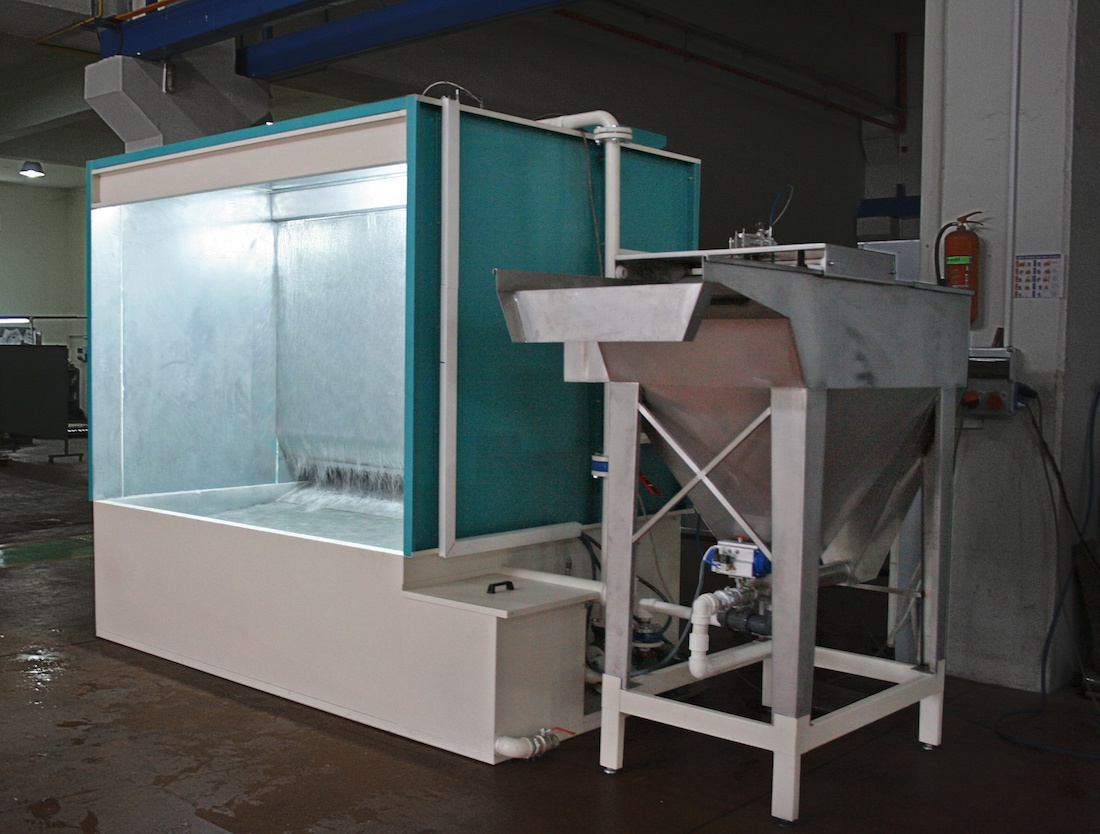
Sludge Seperator Systems- BCA Series:

We recommend using Sludge Separator Systems to accelerate the operation and maintenance processes to our customer which use rubber to metal bonding applications. Sludge Separator systems can be connected to all water-based spray booths. Separator system automatically separates the paint sludge and keep the water used in the booth clean while minimizing maintenance costs. It also increases the application quality.

How Sludge Separator System works:

Sludge Separator Unit is connected to the Paint Machine with a pump. With the help of the pump, the paint-water mixture is transferred to separator system and dosed with the chemicals. The sludge in the paint-water mixture is floated on the water surface with the help of chemicals. Then the floating paint waste is accumulated and separated with the help of the pneumatically operated clamps. The water purified from paint particles in the existing Paint Sludge Separator Machine is sent back to the Paint Machine by gravity.

Visit BCA product page by clicking here


Reach Us For More Details and Offer Requests:

As Elsisan we have provided our rubber to metal bonding applications globally over the years. With the help of our global experiences we know how important it is for our customers to have the right solution and a machine they can rely on for many years.

For your requests, you can reach us via our website or by email at elsisan@elsisan.com .

Below you can find our customer references which we have provided our metal rubber bonding agent application solutions:


The Importance of Using Ex-Proof Products in Liquid Painting Plants

Before discussing the importance of using ex-proof products in wet paint plants, it is useful to explain what the words ex-proof and ATEX mean:
(more…)

Filtration Types in Spray Booths

Read this article to learn more about filtration types in spray booths
(more…)

Contact Us